Dillard University, a Historically Black University (HBCU) in New Orleans, has taken a tremendous step in joining the fight against climate change by becoming a Second Nature Affiliate member. This decision marks a pivotal moment in the university’s sustainability journey, reflecting its commitment to unifying its diverse campus and community toward a more sustainable future.
Dillard University has a rich history of promoting social justice and community engagement. However, its commitment to sustainability is a recent initiative that became more defined in 2023. While attending Second Nature’s Higher Education Climate Leadership Summit, Dillard was inspired to join Second Nature’s Climate Leadership Network as an Affiliate member.
Kem Opperman-Torres, Director of Sustainability at Dillard, said, “What makes it [Affiliate Membership] attractive is that it’s an easy way to start, get your foot in the door, and see what Second Nature has to offer. Through my connections with Second Nature, I’ve met partners and collaborators who’ve opened up a world of opportunities. Since then, we’ve started putting together a carbon-neutrality plan, and the university is focused on more work in sustainability.”
Becoming a Second Nature Affiliate member provided Dillard with a unique opportunity to join a network that might have otherwise been inaccessible. Opperman-Torres explained, “Being associated with Second Nature puts you in a forward-thinking mindset, showing you what you need to aim for with your program and leadership. The Intersectional Climate Action Leaders Working Group at Second Nature has been key, giving HBCUs like ours a chance to share ideas and build awareness.”
This membership is especially valuable for smaller HBCUs with limited financial resources, as it opens doors to a larger community of sustainability-minded institutions without imposing the typical cost burdens. This access allows these institutions to participate in critical conversations and collaborate on initiatives that they might otherwise be excluded from due to budget constraints.
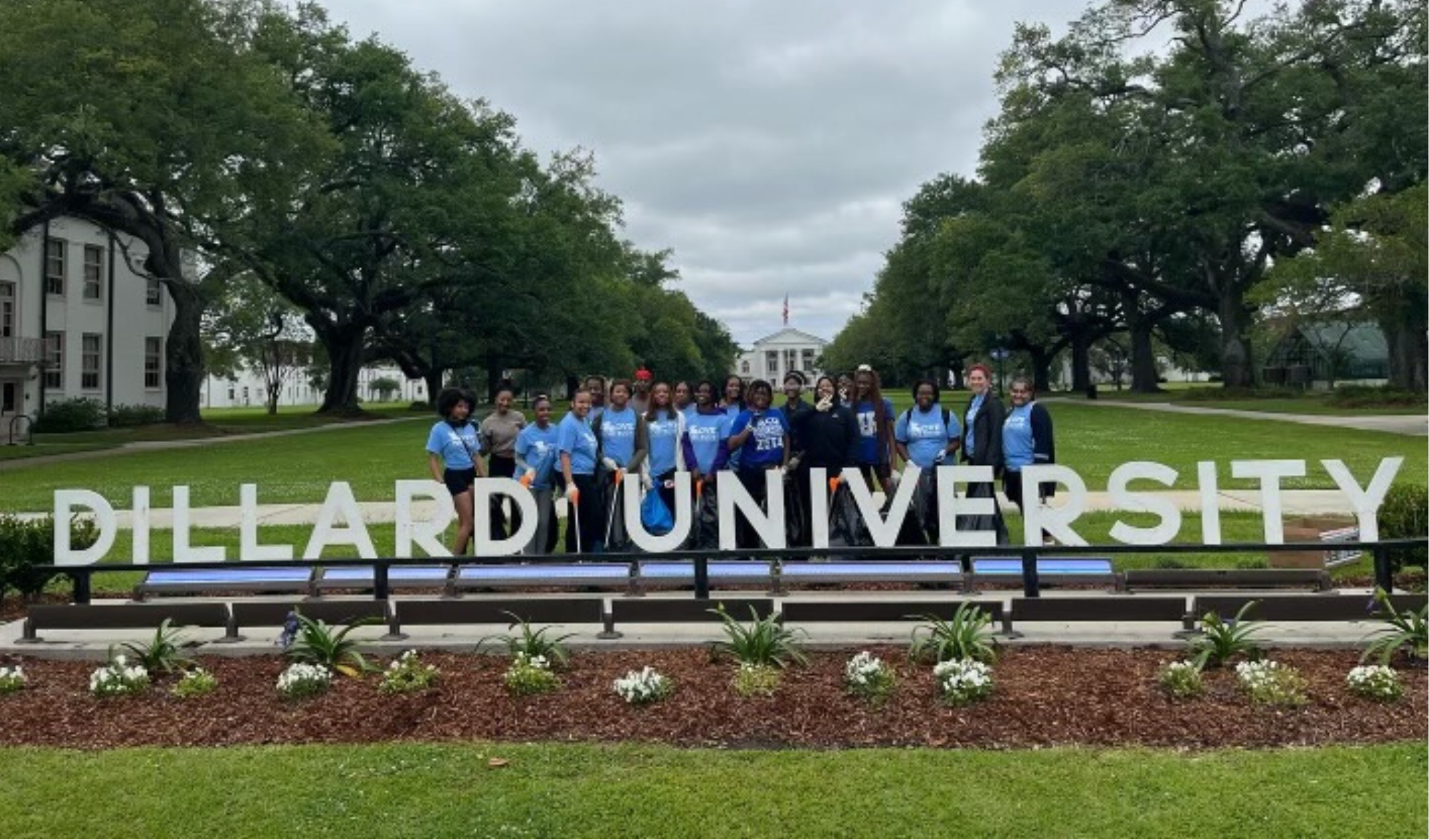
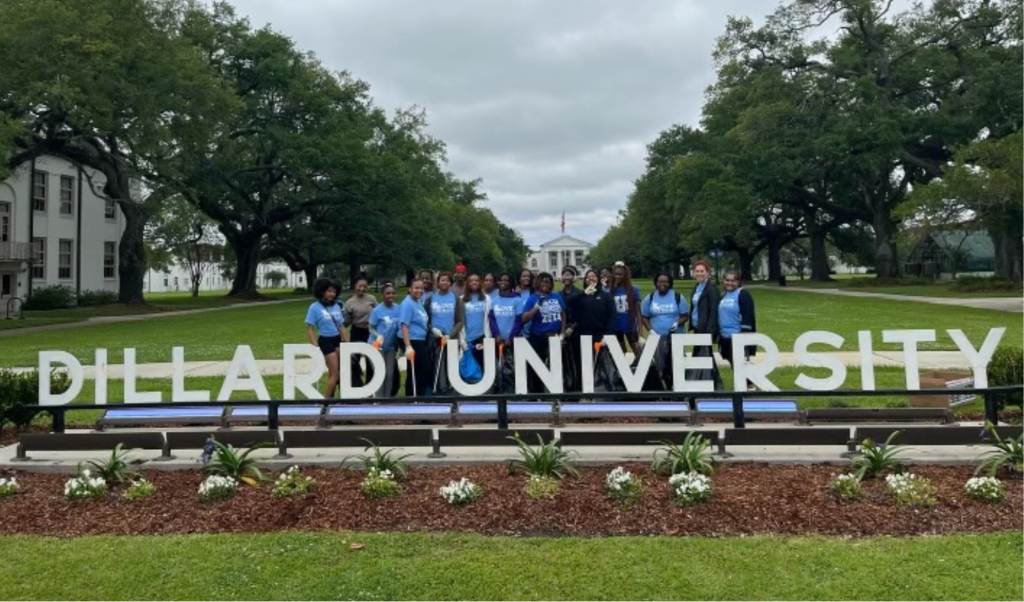
Despite being in the early stages of its sustainability journey, Dillard has already significantly impacted its campus community. Students are highly engaged in environmental awareness activities, beautification projects, and campus cleanups. Opperman-Torres said she seizes the chance to engage with students through these activities and, in doing so, has discovered a profound sentiment. During a campus beautification project, students planted new greenery, many for the first time. Some had never wielded a shovel. Then she realized a pivotal truth: she couldn’t ask them to change their daily habits—like managing energy use or reducing food waste—without first fostering a genuine connection to the earth. They needed to feel the soil, witness the life growing from it, and sense the heartbeat of nature before they could be genuinely inspired to protect it.
“One student told me they had never planted a plant. It was a learning curve for me, and now I always show them how to plant properly. These simple activities have a significant impact. The students get excited about the plants, naming and caring for them, which fosters a sense of responsibility and connection to the earth,” Opperman-Torres shared.
Dillard’s Strategic Sustainability Committee, formed in October 2023, has been instrumental in driving the university’s climate action efforts. The committee, comprising faculty, staff, and students, created a Sustainability Strategic Plan, conducted waste audits, and organized events aimed at building connections and awareness for the climate action movement.
The university’s commitment to sustainability is reflected in its long-term goals and upcoming initiatives. The University Carbon Neutrality Action Plan (30 x 30) aims to significantly reduce the university’s carbon footprint by 2030 through a comprehensive framework that captures essential data and drives sustainability initiatives. Key strategies include enhancing energy efficiency, promoting renewable energy, encouraging sustainable transportation, reducing waste, and integrating sustainability into operations and curricula. The university will systematically cut emissions by conducting energy audits, upgrading infrastructure, incentivizing green commuting, and expanding recycling programs. Continuous monitoring, reporting, and community engagement will ensure accountability and progress towards a 30% reduction in net carbon emissions, embedding sustainability as a core institutional value.
In the fall of 2023, Dillard began a partnership with Energy Smart. Using Energy Smart’s Trade Allies, Synergy Building Solutions, LLC and M3 Services, Dillard has implemented energy efficiency upgrades, offsetting significant Co2 levels and generating substantial yearly energy savings. These projects are part of a broader vision to embrace climate action as a core institutional value.
The university is also launching the New Energy Entrepreneurship (NEE) minor and Workforce (NEEW) certificate, funded by the Economic Development Administration, to promote clean energy education and entrepreneurship among students.
One of the significant barriers Dillard faced was financial constraints. However, the association with Second Nature, which allowed them to join without an initial fee, has been a game-changer. “Money is probably the biggest barrier when an institution is thinking of joining a new organization and is unsure of the benefits. The affiliate pathway allowed us to be part of the group without worrying about the costs associated with memberships,” Opperman-Torres noted.
Dillard’s interim president, Dr. Monique Guillory, has shown a strong commitment to sustainability, and the university hopes to formalize this commitment through various environmental-centric policies and tracking greenhouse gasses. For Dillard, there is an understanding that leadership is key. With a passionate leader, it’s much easier to move things forward. Those invested in the sustainability work of Dillard are “hoping to start creating policies around e-waste disposal and single-use plastics on campus,” the representative added.
In August of 2024, the EPA awarded Dillard University nearly $20 million in grant funding, a monumental achievement that underscores the university’s commitment to sustainability and community resilience. This funding will enable Dillard and its partners to lead transformative projects in Orleans, St. Tammany, and Washington Parishes, including energy-efficient building upgrades, resilience hubs, expanded transportation access, renewable energy installations, and new clean energy and climate resilience programs. This award highlights Dillard’s leadership in addressing critical environmental challenges and empowering the community, marking a significant step toward a more sustainable and resilient future.
Dillard University’s journey as a Second Nature Affiliate member is a testament to the power of accessibility and support in driving meaningful climate action. This partnership has empowered Dillard to take significant steps towards sustainability, inspiring other HBCUs and institutions to follow suit. By fostering a culture of environmental stewardship and community engagement, Dillard is paving the way for a more sustainable and equitable future.