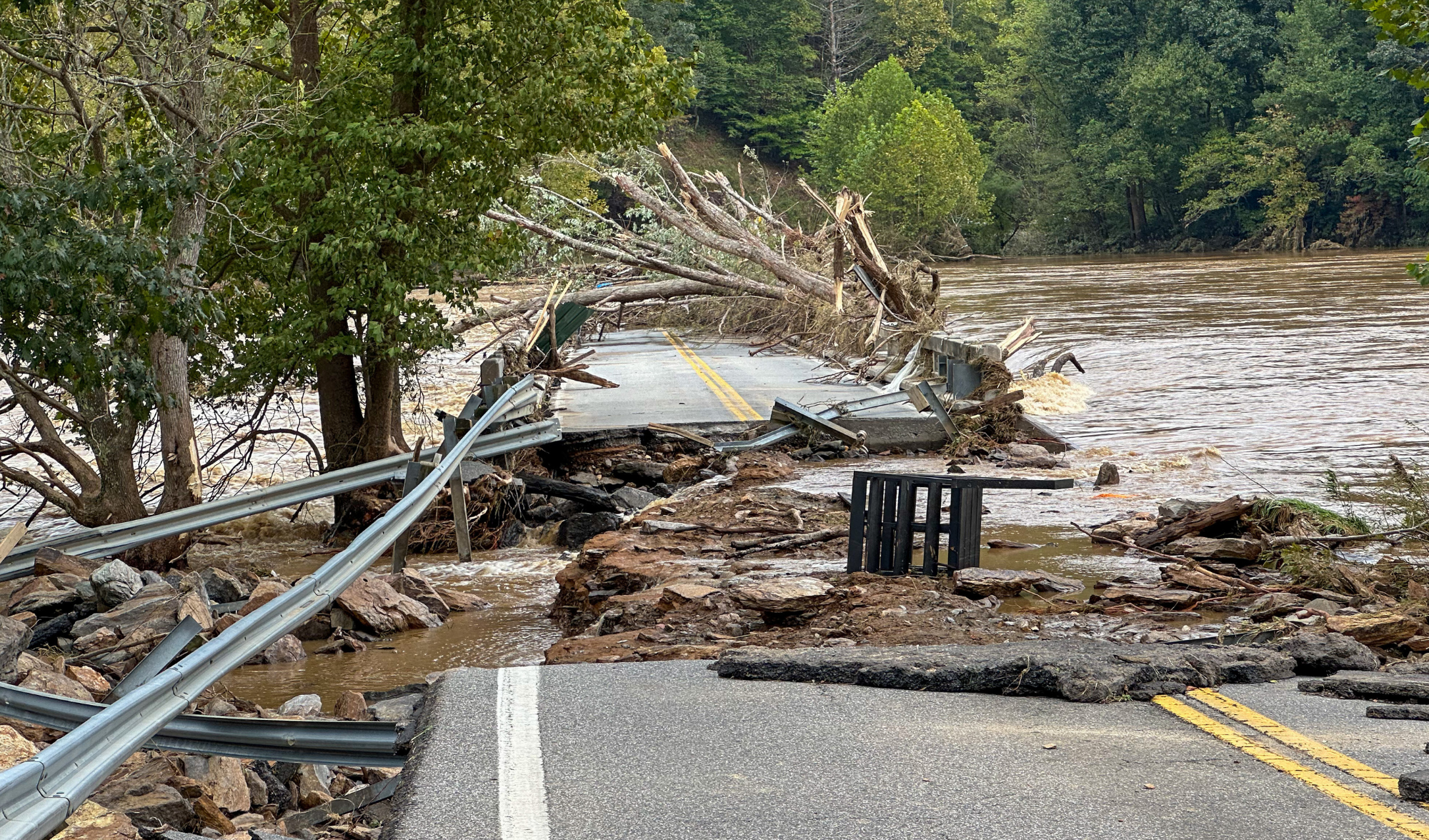
As Hurricane Helene reminded us, extreme weather events are becoming more frequent due to climate change, even in places where climate disasters are not commonplace. They have devastating impacts on our communities. There must be plans and practices that keep community resilience and adaptive capacity high.
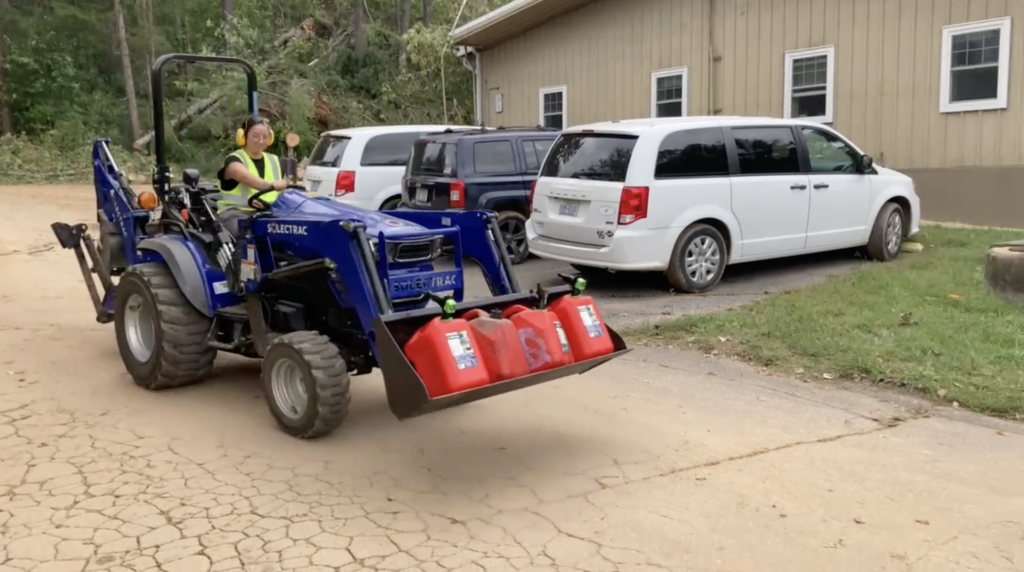
We heard from a few of our campuses in the Asheville, NC, area about ways they are responding to and supporting communities after Hurricane Helene. Warren Wilson College set up a weather updates web page and a post-Helene fund for recovery and renewal. They also deployed their Mobile Microgrid Work Vehicle initiative, which includes a solar tractor program. This initiative has been a lifeline for the campus’s resiliency in the current crisis.
Higher education institutions can co-create these best practices around resilience with their communities so that everyone can benefit in the face of the inevitable next climate crisis event.
Please contact our team to learn more about climate resilience and what campuses can do to prepare for and respond to expected and unexpected climate-related changes.