Get the latest on climate action:
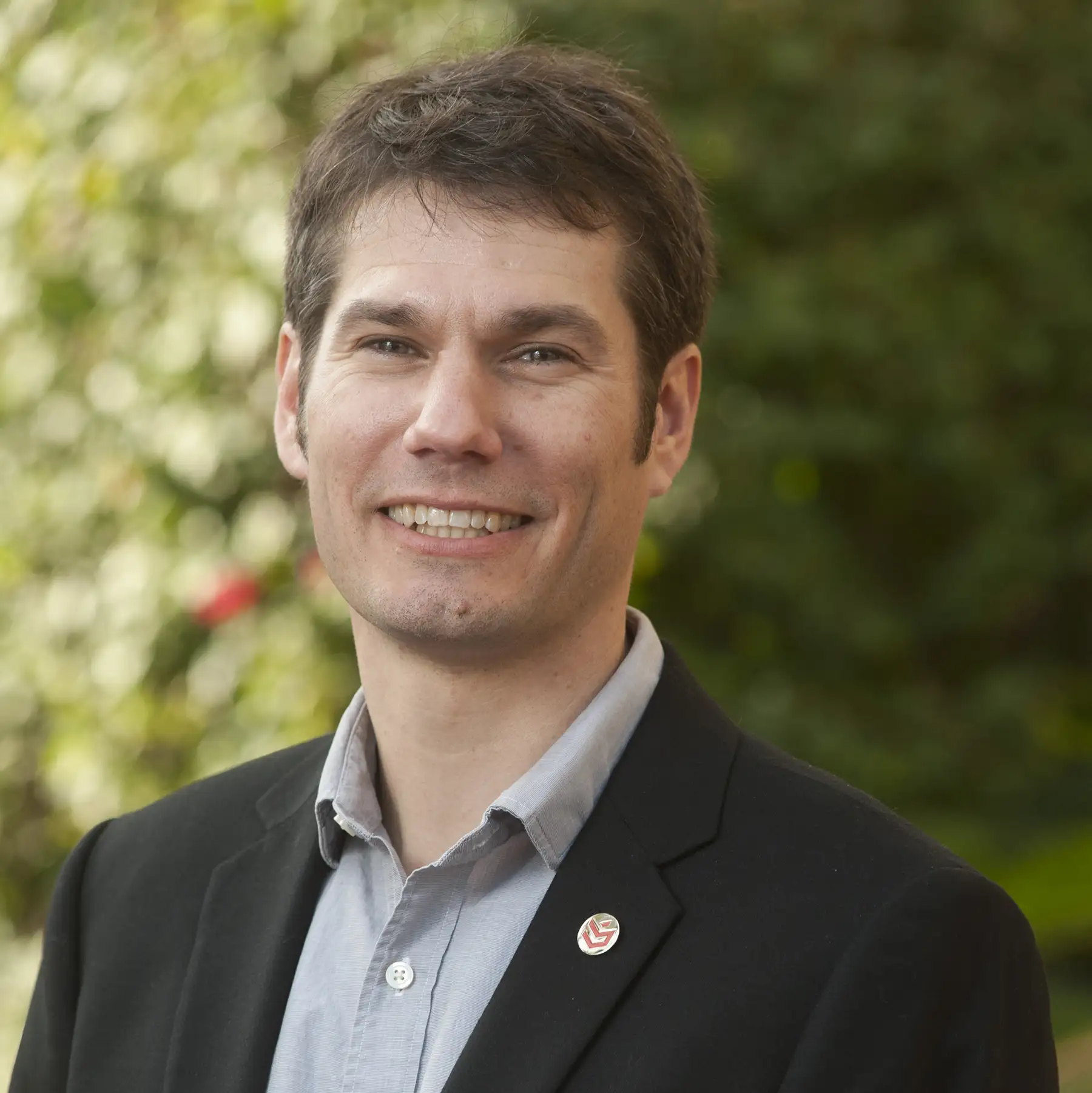
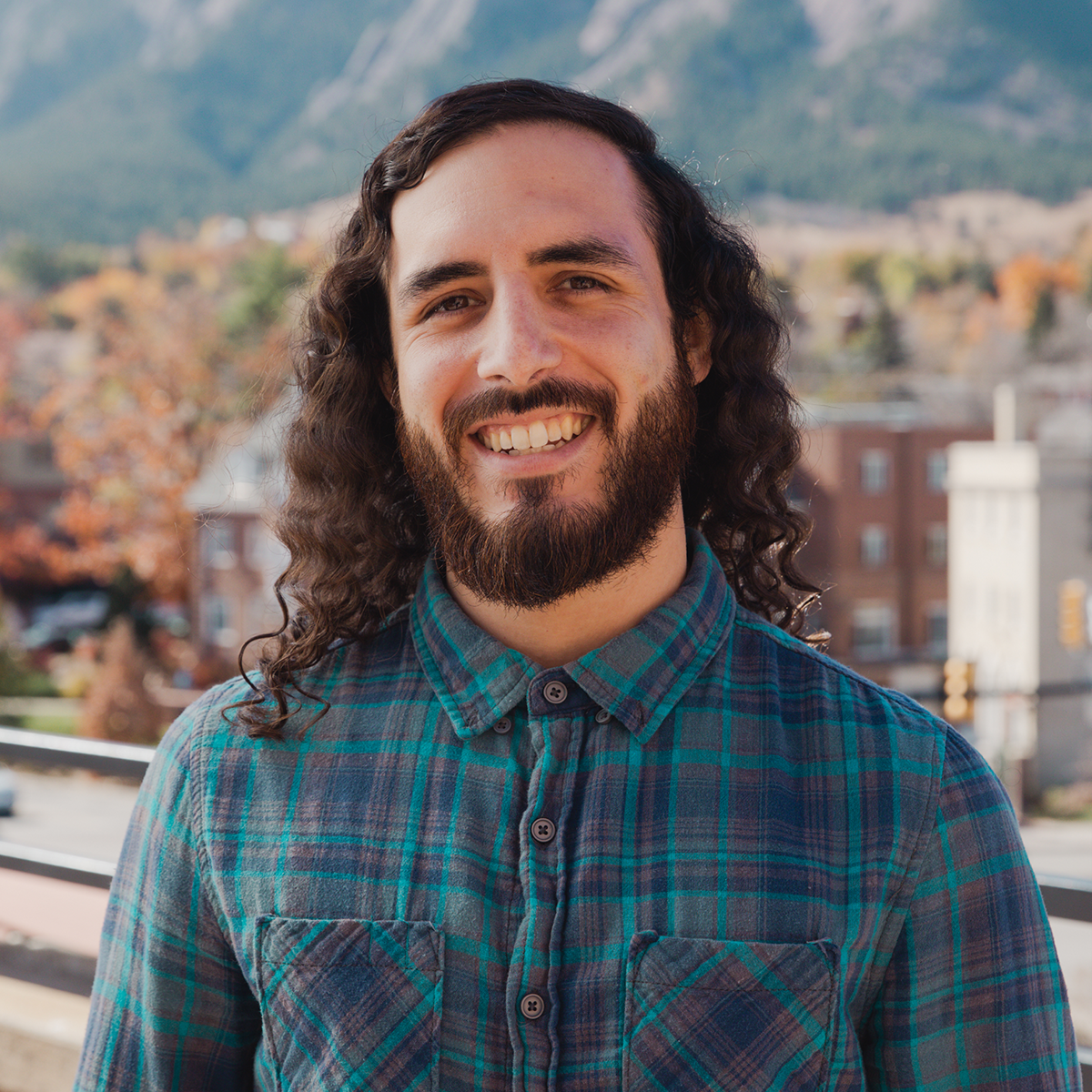
Dr. Carter received his Ph.D. in Ecology with distinction from the Odum School of Ecology at the University of Georgia (UGA) and completed his B.S. in Ecology and Evolutionary Biology from the University of Tennessee, Knoxville. As a post-doc and faculty member at UGA his work focused on the intersection between urbanization and environmental management through studies of designer ecosystems, sustainable development, environmental policy, and climate change impacts on coastal areas, including visualizing sea level rise on the Georgia coast. In addition, Dr. Carter developed a sustainability plan for the school.
As the founding Director of Butler University’s Center for Urban Ecology (CUE), Dr. Carter built the CUE from a fledgling unit with two interns and a program manager to a thriving academic center with over $3M in externally funded initiatives. Through partnerships Carter developed across the city of Indianapolis, as well as through his work with staff, faculty, students, and leadership at the university, the Center became not only a successful place for the study of ecology but also a participant in increasing the sustainability of the city and campus. CUE projects include collaborative installations between artists and scientists for informal science learning, creation of a community currency to encourage urban watershed conservation action, and the use of mobile device technology as an engagement strategy for residents of the city. The CUE also led efforts to develop Butler’s climate strategy including signing the Carbon Commitment, developing Butler’s Climate Action Plan, and hiring Butler’s first sustainability officer.
Tim is married to Katy and has three children.
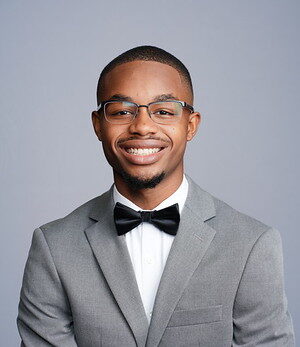
Theo Daniels (he/him) is the Climate Policy Manager at Second Nature. In this role, he will focus on federal climate policy-related analysis, strategy, and outreach, with a specific focus on the Inflation Reduction Act of 2022.Before joining Second Nature, Theo earned a B.S. in Environmental Science and a B.A. in Political Science from Howard University. Next year, he will graduate from Georgetown University with an M.S. in Environmental Metrology and Policy. His past professional experience includes: the White House Council on Environmental Quality, NASA, the U.S. Congress, the Rachel Carson Council, and more. He has done extensive research on the intersection of people and climate, focusing on pressing climate issues in the South American continent.Outside of work, Theo loves watching new movies, exploring local green spaces, and thrifting. Or, you can catch him at a conference speaking on the youth perspective of climate activism and engagement in the modern landscape. He is also an award-winning documentary filmmaker, with his thematic foci revolving around the intersections of climate, culture, and justice. He grew up in Indiana but has called the nation’s capital, Washington, D.C., home for the past five years.
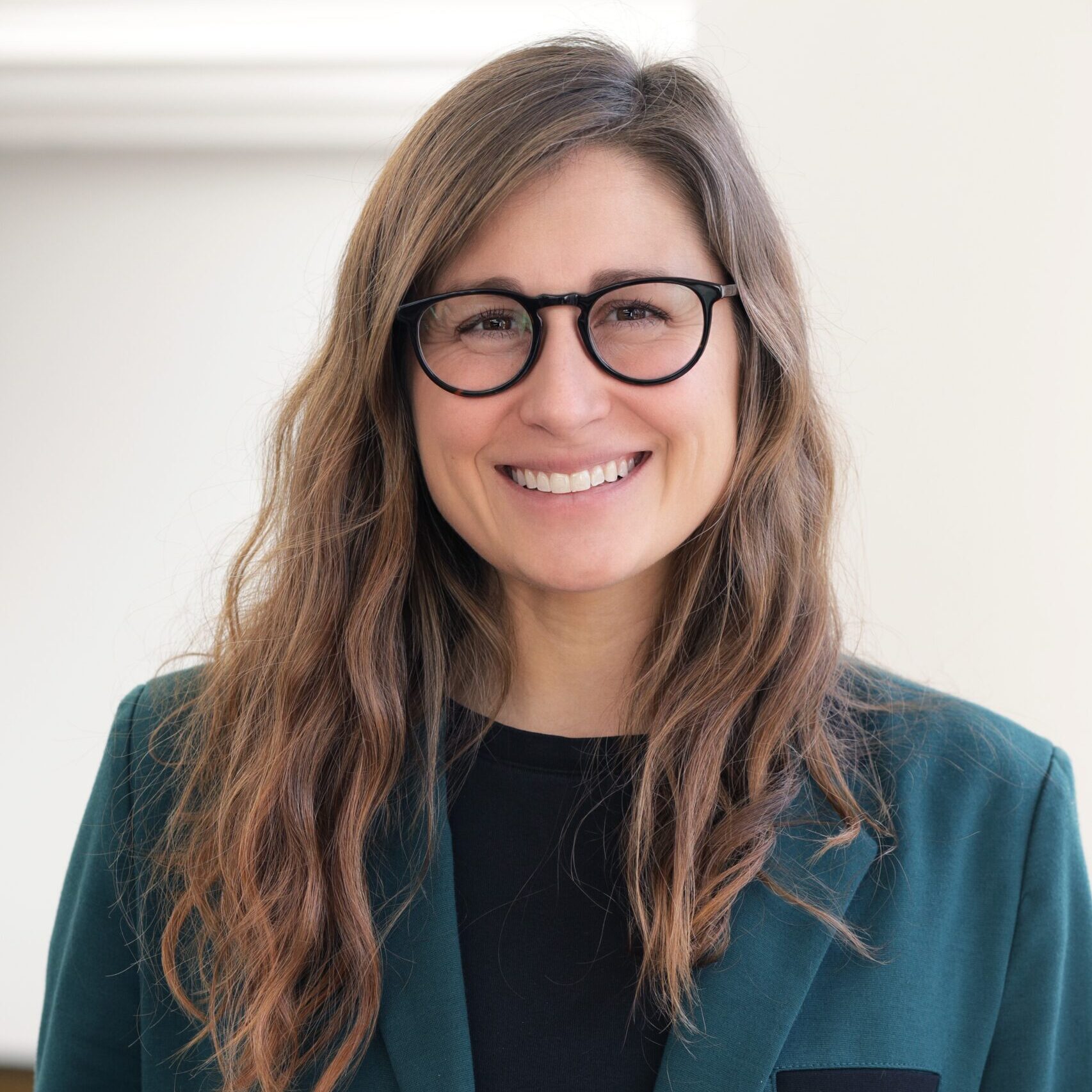
Bridget Flynn is a Climate Programs Senior Manager with Second Nature. In this relationship-centered role, Bridget works with campuses to understand challenges and needs, find solutions, and align Second Nature programming to best serve climate action progress. Bridget also works with corporate and NGOs partners to maintain and cultivate new relationships to serve member campuses and liaise between campuses and service providers to build trust, align expectations, and accelerate decarbonization activities. She provides organizational strategy and leadership and oversees the architecture of advisory councils.
Flynn has over a decade of experience in higher education sustainability. Prior to joining Second Nature, Bridget was the Sustainability Manager at Oberlin College where she led programs to advance sustainability, carbon neutrality, and resilience. Previous to Oberlin College, Bridget worked at an international wind energy company doing marketing and event planning, facilitated vegan community organizing in Indianapolis, and worked at the Indiana University Office of Sustainability on first year programs. Bridget served the City of Oberlin as a member and co-chair of the Resource Conservation Recovery Commission, two iterations of the Climate Action Plan, and adoption of the Complete Streets Resolution. Bridget has served two consecutive terms on the AASHE Advisory Council on the Diversity, Equity, and Inclusion committee and speaks nationally on sustainability topics. Bridget is also a National Fellow in the Environmental Leadership Program.
Bridget holds a Master’s of Science in Positive Organization Development and Change from Case Western Reserve University and a Bachelor of Arts from Indiana University with majors in Religious Studies and Environmental Ethics through the Individualized Major Program and a minor in Sociology.
Bridget is a longtime vegan and athlete who loves to hike and run trails, climb rocks indoors and outdoors, and explore and appreciate beauty. Bridget can often be found swimming, dancing, talking to strangers, riding motorcycles, listening to music and going to live shows. Bridget is also known for their ineffable fondness for good cookies, ice cream, and sunsets. Bridget is currently based in Golden, Colorado, with her cat, Obsidian, and travels frequently.
Senior Manager of Administration and Operations
Joelle Geisler-Haley is the Senior Manager of Operations and Administration at Second Nature, managing HR, benefits administration, and many of the organization’s behind-the-scenes operations. She also offers administrative support to select Second Nature programs, including the Catalyst Grants and UC3.
Prior to joining Second Nature, she spent 8 years as Events Manager at UTEC, Inc. – a MA-based nonprofit organization that works with proven-risk Young Adults. In her role, she founded, developed and managed the Facility Rental social enterprise that both served diverse sectors of the community and provided on-the-job training for Program Participants. Earlier work history included time in the Philanthropy Department at what is now Native Plant Trust, and as Director of Operations for Umlauf Sculpture Garden & Museum in Austin, TX.
Joelle holds a Master’s Degree in Humanities and Social Thought from New York University’s John W. Draper Program for Interdisciplinary Studies, and a Bachelor of Arts from Boston College with a major in English Literature.
Joelle was born and raised on 30+ acres of fields and forests in New York, a childhood that instilled in her a life-long passion for the natural world, and a desire to play some part in making sure future generations have access to clean air and land. She is a longtime illustrator, hoping that her work speaks to that childlike sense of wonder that is sometimes drowned out by busy days and lives. She loves simply being outside – whether exploring new trails or harvesting vegetables and berries from her backyard garden. She lives with her teacher husband and two young sons (and their cat and fish) in North Central Massachusetts.
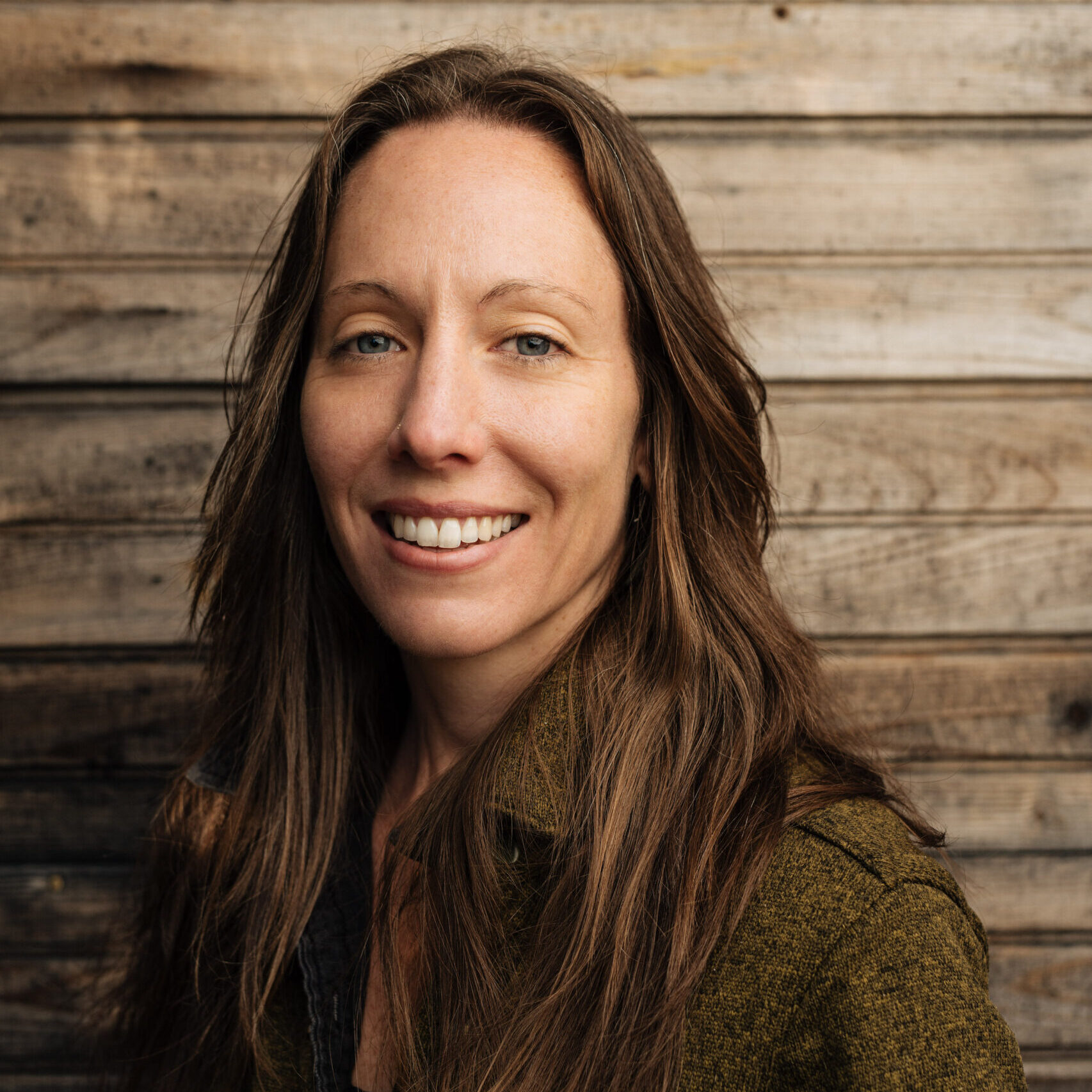
In her role as Climate Programs Senior Manager, Meredith’s focus is engagement, as well as network and member value. She provides support and strategy for member services across Second Nature’s programming, is Second Nature’s program lead for the UC3 Coalition, facilitates other stakeholder groups, provides technical assistance to campuses, and works with the Second Nature team to recruit campus climate leaders, and champion optimal network impact. Meredith has worked in sustainability for over 20 years. Prior to working with Second Nature, she was a consultant and educator focused on climate-smart, resilient food systems. She is the co-owner of The Fermentation School, an online education platform for learning culinary fermentation skills.
Katherine MacHolmes (she, they) is a culture strategist whose culture and DEI strategies build people’s and groups’ capacities to practice liberation and alignment with who they wish to be in the social change ecosystem. An organizer and activist of twenty years, her skillset supports the human work of collective liberation (often coded as Diversity, Equity, and Inclusion (DEI)). Her work is the mandate of a centuries-long freedom project: building community through collaboration, bold and brave conversations that deepen connectivity and vision processes, possibilities, and worlds that hold our holistic humanity.
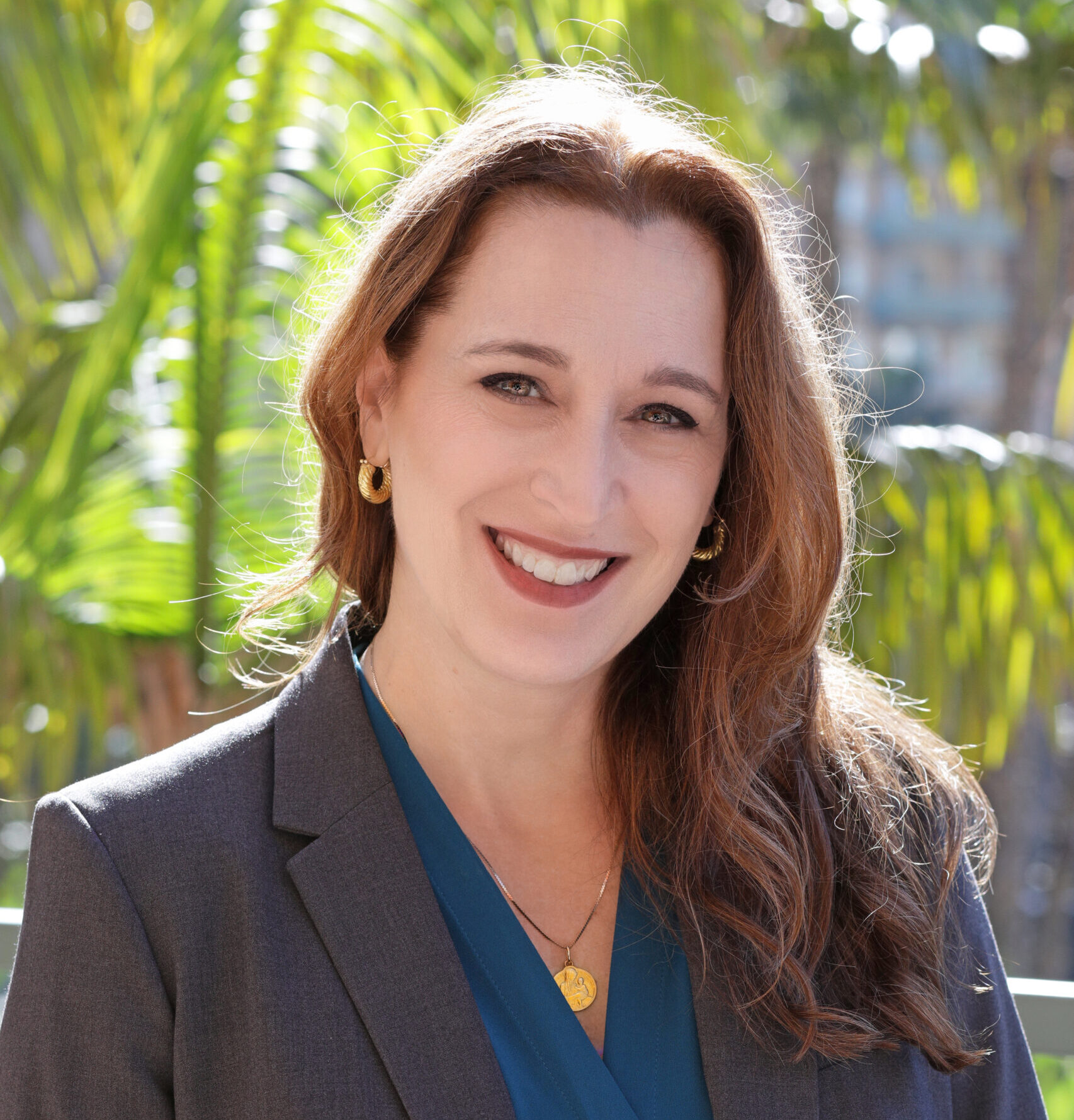
Michele is the Senior Director of Programs at Second Nature, where she focuses on climate action in higher education by working with colleges and universities, as well as with partner organizations and other stakeholders. Prior to coming on board at Second Nature, she was Director, Environmental Leadership at the National Association of College and University Business Officers (NACUBO), where she was responsible for the association’s portfolio of sustainability programs, products, and services.
In her role as liaison to the association’s Sustainability Advisory Panel, she elevated the issue of sustainability for NACUBO members by incorporating a variety of sustainability topics in the monthly Business Officer magazine; including a sustainability track in every annual meeting; presenting on the topic to the Board of Directors; educating meeting planning staff about adopting green meeting policies; and challenging NACUBO to become an association leader in sustainability. Under her guidance, NACUBO has published several sustainability books, including the joint Second Nature/NACUBO “Financing Sustainability on Campus.” Working collaboratively with other higher education associations, she established, designed, and developed program content for the annual Smart and Sustainable Campuses Conference. Under her direction, NACUBO was awarded a federal cooperative assistance agreement through the EPA to create and maintain the Campus Environmental Resource Center, an online resource that provides individuals and educational institutions the knowledge and tools needed to maintain environmental regulatory compliance, improve facilities management, and promote sustainability.
In her twelve year career at NACUBO, she worked on a wide variety of issues impacting colleges and universities. For example, in her prior role as senior policy analyst, she directed a project on the cost of college and developed quarterly newsletter focusing on the strategic human resource issues for colleges and universities.
Michele graduated from Miami University with a B.A. in English Literature and Art History. She studied abroad at the John E. Dolobois European Center in Luxembourg and she received her M.A., Education Policy (Education Policy, Planning, and Administration) from the University of Maryland, College Park.
Steve is the Climate Programs Senior Manager at Second Nature. Steve previously worked at Second Nature from 2007-2013, and during this time he supported the growth and management of the American College & University Presidents’ Climate Commitment (ACUPCC). Much of his work focused on supporting Implementation Liaisons in their efforts to meet the ACUPCC reporting requirements and managing the ACUPCC Reporting System. In between his stints at Second Nature, Steve worked with the US Green Building Council (USGBC) Massachusetts Chapter. There he coordinated and delivered green building education offerings, managed membership retention and recruitment, and managed the Green Schools Committee and Green Apple Day of Service program. Steve’s volunteer positions include serving as the Treasurer, Clerk, and Trustee for Stratleade Sustainability Education, Inc. and serving as the Region 12 National Chair for USGBC Student Groups.
Steve holds a Master in Strategic Leadership towards Sustainability from Blekinge Institute of Technology, Karlskrona, Sweden. His master’s thesis research assessed the efforts of the Campus Sustainability Movement (CSM) in the United States and Canada relative to a Strategic Sustainable Development Framework. Steve also holds a MS in Environmental Studies with a focus in Environmental Education from Antioch University New England, Keene, New Hampshire.
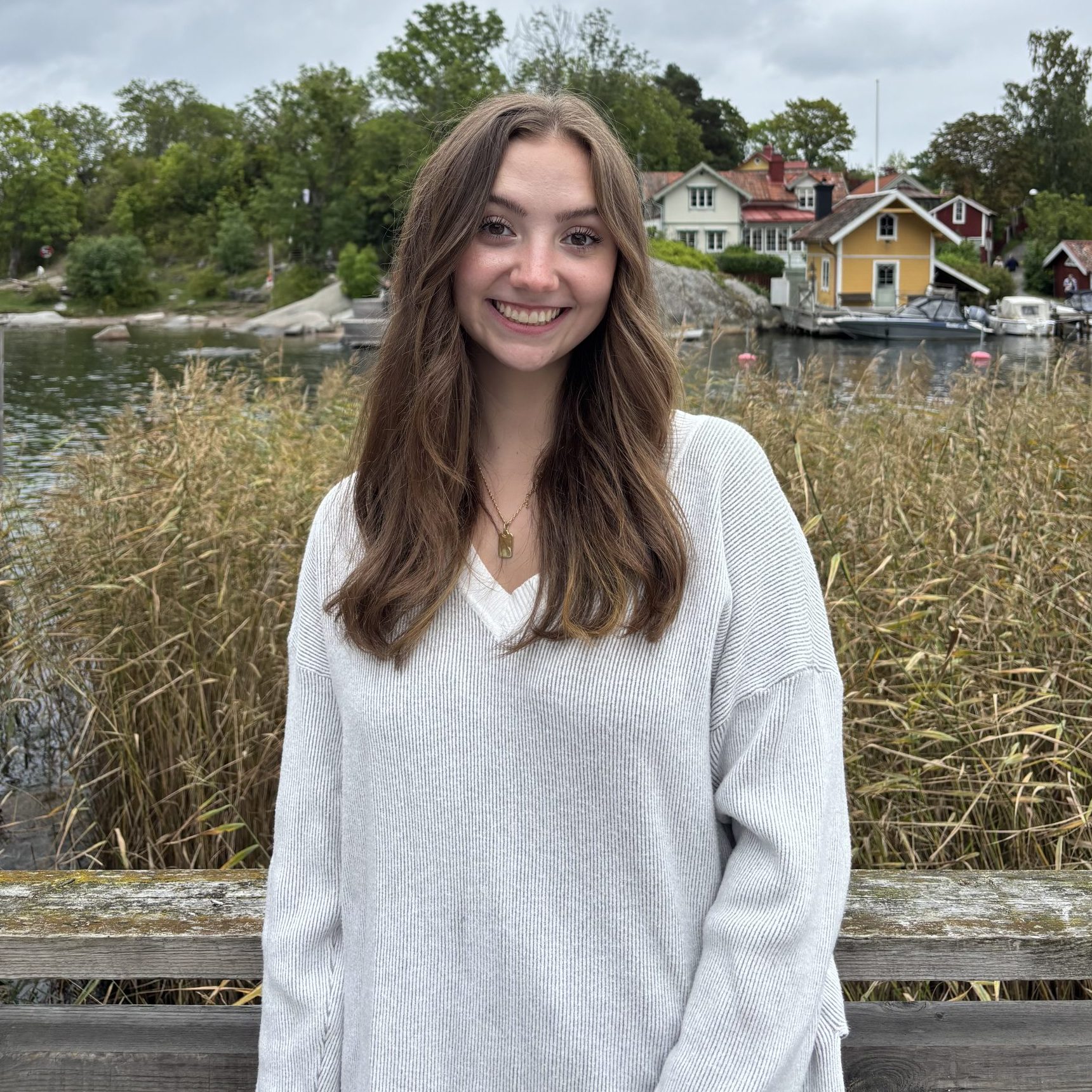
Lucy Palmer is a rising senior at Allegheny College, double-majoring in Environmental Science and Sustainability and Political Science, with a minor in Theatre. Passionate about climate action, sustainability, and community engagement, Lucy is joining Second Nature as a summer intern, where she will support the organization’s mission through administrative work and by assisting colleges and universities in achieving their climate and sustainability goals. Her academic and professional interests focus on environmental policy, institutional sustainability, and creating equitable solutions to climate challenges.
Lucy has always had a love for nature and being outdoors. In her free time, she loves hiking, visiting national parks, and kayaking. Her intrinsic appreciation for nature has led her professional endeavors to better protect and understand the natural world she adores so much.
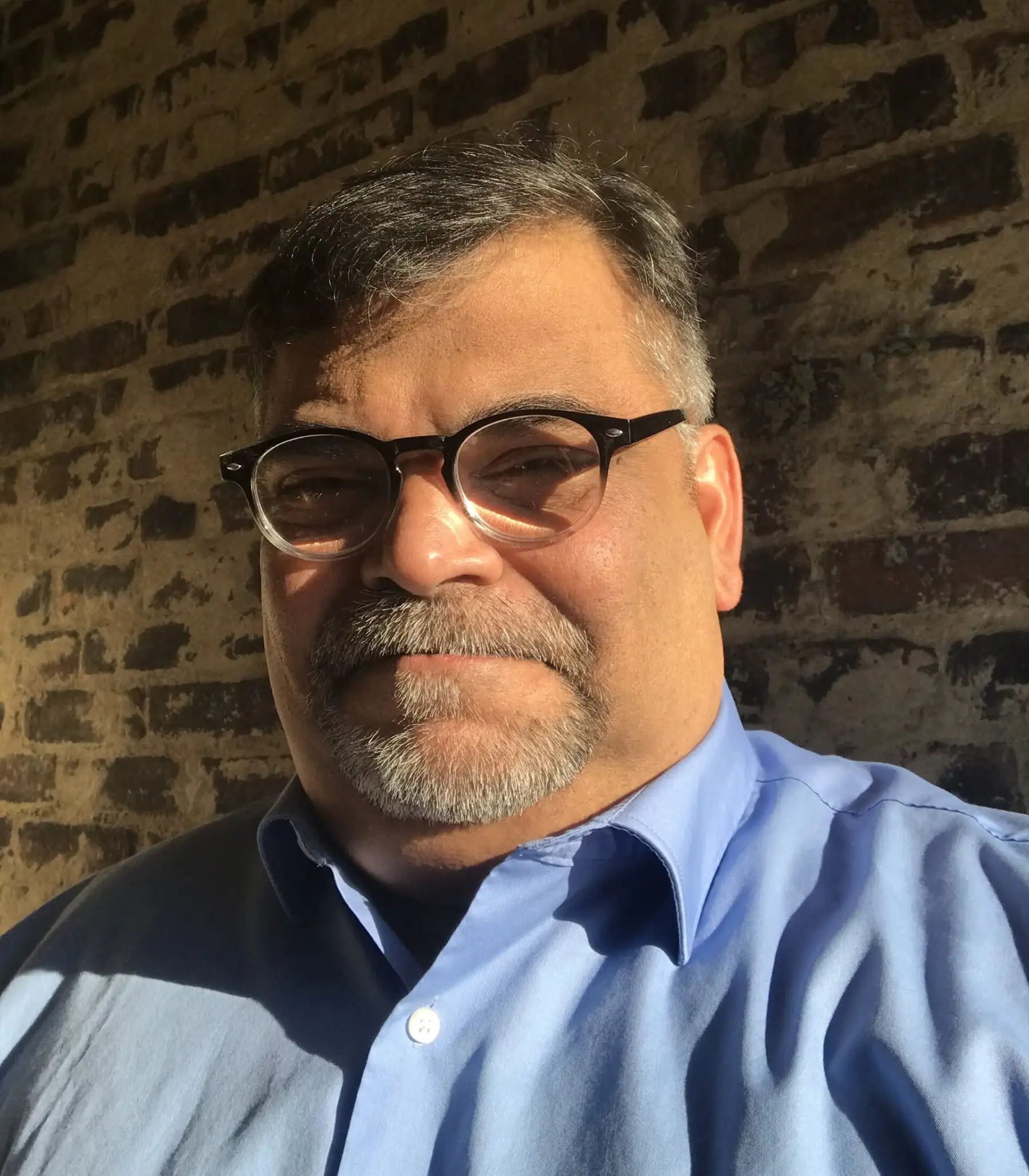
Bari oversees Second Nature’s communications strategy. Over the past 20 years, he has conceived, built, and executed a wide range of successful communications campaigns for mission-driven organizations. The driving force behind Bari’s work is a deep commitment to racial, socioeconomic, and environmental justice combined with a passion for leveraging the digital medium for impactful storytelling, community-led advocacy, and grassroots organizing. He has secured earned media coverage in notable media outlets, including PBS NewsHour, the New York Times, San Francisco Chronicle, San Diego Union-Tribune, and the Guardian.
He previously served as Communications Director at the Center for Employment Opportunities, where he built a nascent communications function into a high-performing communications department of six full-time staff and several consultants to support criminal legal system reform. The team he built deployed cutting-edge communications strategies and tactics in 31 cities across the country to create socioeconomic mobility for thousands of people returning from incarceration.
Prior to that, Bari was Communications Director at Environmental Health Coalition, where he led strategic and rapid response communications to address environmental racism facing frontline families and immigrant communities. He spearheaded a digital advocacy campaign to secure the passing of California Assembly Bill 423, to add an Environmental Justice (EJ) representative to the San Diego Air Pollution Control District Board. As Digital Director at Green For All, Bari built and mentored a five-person communications team to empower low-income communities of color by creating access to green jobs. He partnered with former Vice President Al Gore’s WE campaign to execute Green Jobs Now, an online-to-offline National Day of Action, resulting in 674 events in 40 U.S. states and over 65 media hits.
Bari holds an M.A. in International Relations and has a pending Ph.D. in Social Justice Education from the University of Toronto’s Ontario Institute for Studies in Education (OISE). He has presented at Google, Netroots Nation, and the Dreamforce Convention. Bari has volunteered extensively, including at the Lakota Sioux Nation, where he built a straw-bale home for a Lakota elder couple and their grandchildren. He studied the popular education-based Theater of the Oppressed with the late Augusto Boal.
Chelsey is responsible for implementing the organization’s communications strategy and supporting the execution of programs and campaigns.
Before joining Second Nature, Chelsey served as the Marketing and Communications Lead for the Humane Society of Southern Arizona, where she made significant contributions over three years. As the primary architect of numerous large-scale marketing campaigns, Chelsey played a pivotal role in raising vital funds to support the organization’s mission of advancing research, education, and the rescue of homeless pets across southern Arizona.
She has obtained a Master’s degree in Marketing with an emphasis in New Media and Communications, along with a Bachelor’s degree in Marketing, both from Southern New Hampshire University from Southern New Hampshire University.
Born surrounded by the stunning landscapes of Golden, Colorado, Chelsey’s early years were infused with a profound love for nature. Although her family relocated to Arizona during her youth, Chelsey’s deep-rooted connection to the Rockies has endured. Discovering the wisdom that comes with the exploration of wild spaces at a young age, Chelsey has become an ardent traveler, exploring new destinations that fuel her thirst for adventure and discovery as often as she can. She currently resides in Southern Arizona with her husband, daughter, and two dogs, Onyx and Opal.
David serves as the Climate Programs Associate at Second Nature. His responsibilities include database management, supporting members with greenhouse gas reporting, and strengthening, building, and maintaining relationships within the Climate Leadership Network.
David received his B.S. in Environmental Science and Policy from the University of South Florida, where he first developed a passion for sustainability in higher education. His initial role at his alma mater involved helping to establish their Office of Sustainability. Since then, he has contributed to sustainability efforts at the School of the Art Institute of Chicago and the University of Colorado Boulder, focusing on greenhouse gas inventories, climate action plans and fostering a culture of sustainability on campus.
Outside of work, David enjoys camping, catching sunsets, and attending concerts with friends.
Vice Provost for Sustainability and Climate Action, University of Michigan
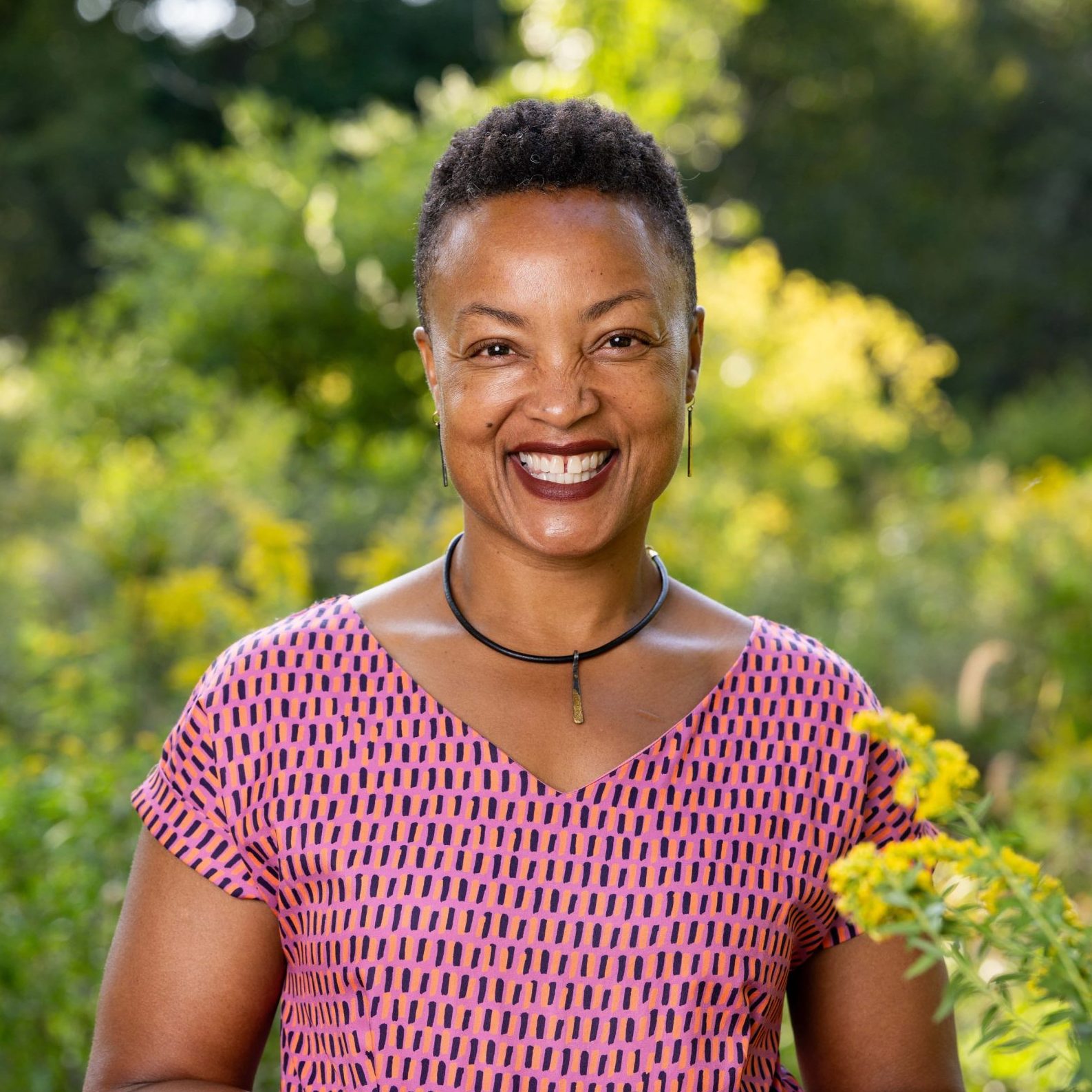
Shalanda H. Baker is the inaugural Vice Provost for Sustainability and Climate Action at the University of Michigan and a globally recognized scholar of energy justice. Before joining the University of Michigan, Shalanda served as the Senate-confirmed Director of the Office of Energy Justice and Equity, Secretarial Advisor on Equity, and Chief Diversity Officer at the United States Department of Energy. At the Department, she served as the architect of the agency’s equity and justice efforts. Prior to that, she served in the Biden-Harris Administration as the nation’s first Deputy Director for Energy Justice.
She has spent over a decade conducting research on the equity dimensions of the global transition away from fossil fuel energy to cleaner energy resources. Before joining the Biden-Harris Administration, Shalanda was a Professor of Law, Public Policy and Urban Affairs at Northeastern University, where she taught courses on renewable energy law, energy policy, and the energy transition. While at Northeastern, Shalanda also co-founded and co-directed the Initiative for Energy Justice (www.iejusa.org), an organization committed to providing technical law and policy support to communities on the frontlines of climate change. Ms. Baker has also served as an associate professor of law at the University of Hawai’i William S. Richardson School of Law, where she was the founding director of the Energy Justice Program. Prior to that, she served on the faculty at the University of San Francisco School of Law.
Shalanda holds a Bachelor of Science degree in Political Science from the United States Air Force Academy, a Juris Doctor from Northeastern University School of Law, and an LLM from the University of Wisconsin School of Law, where she also served as a William H. Hastie Fellow. She has authored numerous articles, book chapters, and essays on renewable energy law, energy policy, and international development. In 2015, she was awarded a 2016-17 Fulbright-García Robles grant to explore Mexico’s energy reform, climate change, and indigenous rights. Her book, Revolutionary Power: An Activist’s Guide to the Energy Transition, argues that energy policy is the next domain to advance civil rights (Island Press 2021).
Ms. Baker is a former Air Force officer and, prior to joining the legal academy, she worked as a corporate and project finance attorney in Boston and Tokyo.
President, Second Nature
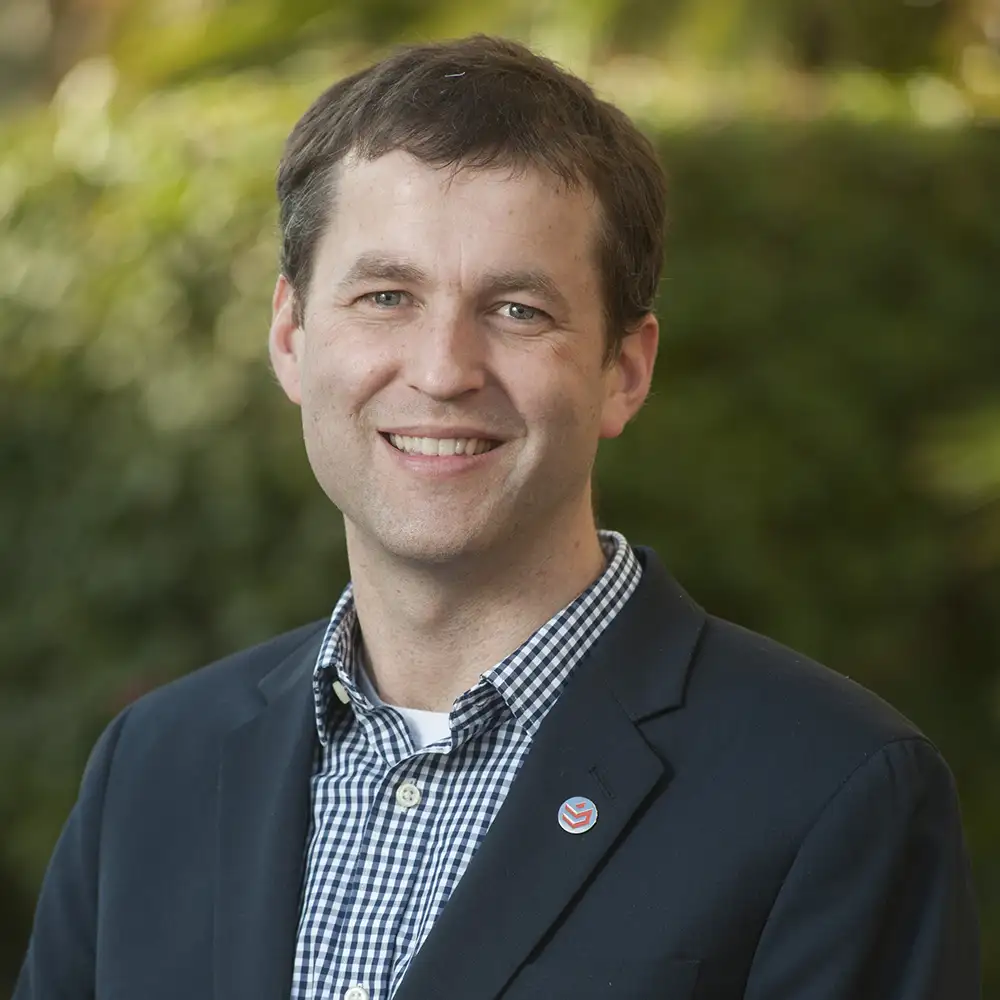
Dr. Carter received his Ph.D. in Ecology with distinction from the Odum School of Ecology at the University of Georgia (UGA) and completed his B.S. in Ecology and Evolutionary Biology from the University of Tennessee, Knoxville. As a post-doc and faculty member at UGA his work focused on the intersection between urbanization and environmental management through studies of designer ecosystems, sustainable development, environmental policy, and climate change impacts on coastal areas, including visualizing sea level rise on the Georgia coast. In addition, Dr. Carter developed a sustainability plan for the school.
As the founding Director of Butler University’s Center for Urban Ecology (CUE), Dr. Carter built the CUE from a fledgling unit with two interns and a program manager to a thriving academic center with over $3M in externally funded initiatives. Through partnerships Carter developed across the city of Indianapolis, as well as through his work with staff, faculty, students, and leadership at the university, the Center became not only a successful place for the study of ecology but also a participant in increasing the sustainability of the city and campus. CUE projects include collaborative installations between artists and scientists for informal science learning, creation of a community currency to encourage urban watershed conservation action, and the use of mobile device technology as an engagement strategy for residents of the city. The CUE also led efforts to develop Butler’s climate strategy including signing the ACUPCC, developing Butler’s Climate Action Plan, and hiring Butler’s first sustainability officer.
Tim is married to Katy and has three children.
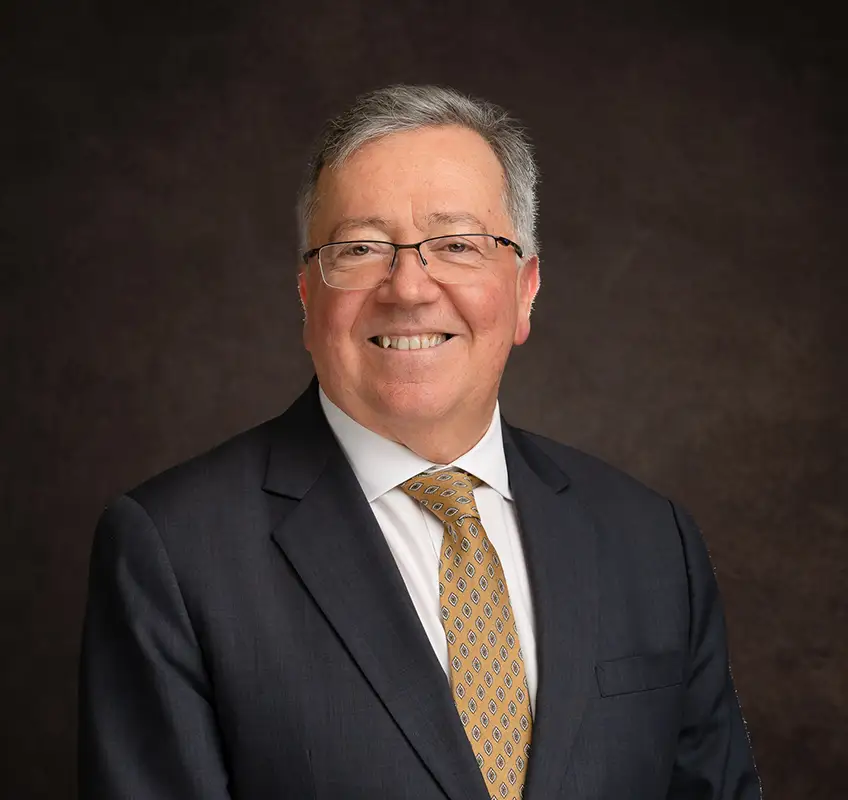
President, American Academic Leadership Institute
Dr. Javier Cevallos was born in Cuenca, Ecuador and his family moved to Puerto Rico when he was 14. Dr. Cevallos earned his bachelor’s degree in 1976 at the University of Puerto Rico at Mayagüez. From Puerto Rico, he moved to Illinois where he earned his master’s and doctoral degrees in 1978 and 1981, respectively, from the University of Illinois at Urbana–Champaign. His area of research is Latin American literature, with particular emphasis in the Colonial era.
He began his career in education in 1981 as an assistant professor of Spanish at the University of Maine at Orono. In 1984, he moved to the University of Massachusetts at Amherst, where he was promoted to associate professor in 1988 and to full professor in 1992. In 1994, he was asked to serve as faculty advisor to the provost. In 1996 he was selected as a Fellow by the American Council on Education (ACE) and spent his fellowship at Wesleyan University, in Middletown, Connecticut.
Upon his return to UMass, Cevallos became chair of the Department of Spanish and Portuguese. Soon after, he was appointed Vice Chancellor for Student Affairs, a post he held until 2002, when he became President of Kutztown University in Pennsylvania.
In 2014 he became president of Framingham State University in Massachusetts, until his retirement in June 2022. He was appointed President–in–Residence at the Harvard Graduate School of Education for 2022–23. Currently he serves as President of the American Academic Leadership Institute, and organization devoted to preparing the next generation of university leaders.
Dr. Cevallos was a Commissioner for NECHE, and has served on the AASCU Board, the NCAA DIII Council of Presidents, the Climate Leadership Steering Committee, the Council for Higher Education Accreditation Board, the Campus Compact Board, and was appointed to represent AASCU at the ACE Board.
Dr. Cevallos and his wife, Josée Vachon–Cevallos, believe in community involvement and have volunteered to serve on numerous non–profit boards in the region. He is also a member of the Framingham Rotary Club.
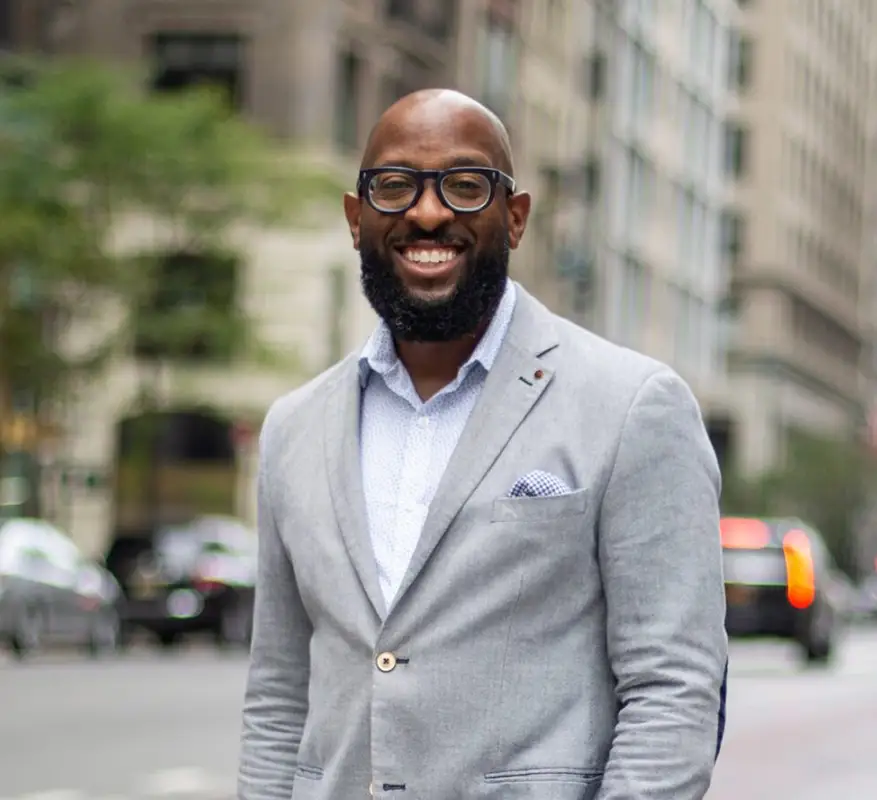
VP Partnerships, Elemental Impact
Mark Chambers is an environmental policy leader, advocate for social justice, and licensed architect inspired by public service and lessons of collective action. He is Vice President of Partnerships at Elemental Impact, a nonprofit investor focused on scaling climate technologies with deep community impact. He recently served the Biden White House as Senior Director for Building Emissions and Community Resilience and was previously the Director of Sustainability for both New York City and the District of Columbia, where he led efforts to accelerate climate policy implementation in America’s largest city and the Nation’s capital.
Chambers is a recipient of the Director’s Award from the Smithsonian National Design Awards and the Public Architect Award from the American Institute of Architects (NY). In addition to lending his expertise on the built environment in his service on the Board of Directors Second Nature, Mark also serves on the Board of the International Living Future Institute (ILFI). Chambers speaks frequently on the intersection of climate change, resilient design and environmental justice. His work has been highlighted in the NY Times, the Washington Post, Grist, Architectural Record, Politico, Complex World, and Reuters among others. Chambers holds a Bachelor of Architecture and a MS in Public Policy and Management, both from Carnegie Mellon University in Pittsburgh, PA.
Mark lives in Harlem with his wife and two children.
VP Sustainable Operations, Rockefeller Foundation
Meghan is a strategic, visionary team leader who builds community and shifts systems towards a sustainable future. She brings expertise in systems thinking, inclusive sustainability, sustainable business, circularity, biodiversity, and renewable energy.
Most recently in the inaugural role of Vice President of Sustainability at Georgetown University, Meghan led a collaboration with internal and external partners to set a comprehensive and ambitious plan for operational sustainability practices.
As their first Director of Sustainability, she also led the George Washington University through its sustainability planning and implementation. Meghan advised F50 corporations at SustainAbility, managed the global business education network at World Resources Institute, championed youth education for The Nature Conservancy on the southside of Chicago, and served in Americorps with Public Allies Chicago.
Currently she is leading Odwaga, a consultancy that supports courageous organizations, teams, and sustainability professionals in developing strategy, building programs, and implementing plans in partnership with key stakeholders so that they are leveraging their strengths to make positive contributions to the health of people and the Earth.
Meghan has an MBA in Corporate Strategy and a MS in Environmental Policy from Michigan, and a BA in Environmental Science from Northwestern.
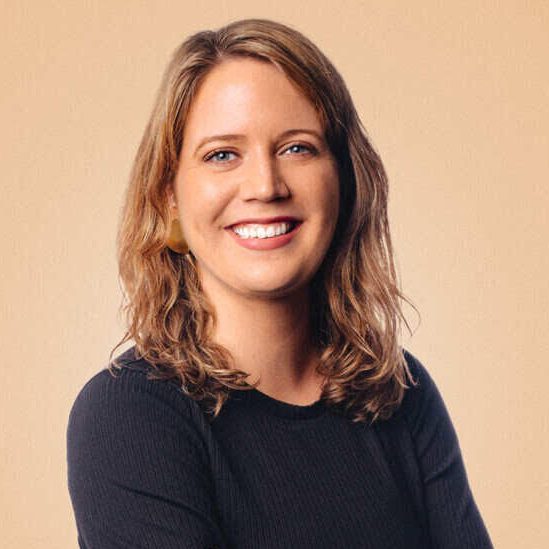
Executive Vice President at BerlinRosen
Margaret Delaney is an Executive Vice President at BerlinRosen, a national award winning public affairs and strategic communications firm. Margaret works with a wide array of clients across the nonprofit and philanthropic sectors to lead sophisticated communications and external affairs campaigns. She has a particular expertise in leading work related to climate adaptation, sustainability, clean energy. She’s worked with a coalition of conservation and sportsmen groups to advance climate resilience and common sense policies in the Colorado River Basin, supported state agencies and advocacy organizations to champion natural infrastructure and costal restoration projects on Louisiana’s coast, and has supported a range of companies and organizations investing in clean energy and grid improvements to accelerate the clean energy transition.

Founder, The National Transfer Network
A social entrepreneur with over 35 years of higher education experience in increasingly senior leadership positions, including most recently as President of Chatham University in Pittsburgh, PA, one of the world’s top-ranked universities for sustainability. Dr. Finegold is currently heading the US operations and Sustainability functions for Torrgreen, a Dutch biofuel and renewable energy company, and serving as the Program Officer for Golub Capital’s Impact Philanthropy program.

President of Truckee Meadows Community College
Dr. Karin Hilgersom serves as the president of Truckee Meadows Community College, an HSI serving the Reno-Sparks region. Dr. Hilgersom’s doctorate in Educational Policy and Management and her Master’s in Rhetoric and Communication were earned at the University of Oregon in 1994 and 1986, respectively.
The community college mission has been Dr. Hilgersom’s lifelong passion. She has taught thousands of students in numerous professional technical, health careers, and transfer majors. Her management experience has included the supervision of executive leadership teams, academic programs, tutoring centers, community and extended learning, small business development centers, libraries, distance learning, capital projects, and campus IT. She has worked steadily to transform the lives of students at urban and rural community colleges and believes that workforce education is vital to the health of communities and regions. She spent most of her professional life in Washington State and served on leadership committees convened by the SBCTC. Dr. Hilgersom was an active AHE member, campus leader, and state leader during these years.
Dr. Hilgersom has engaged with external and internal TMCC stakeholders and charted new directions for TMCC. These directions include a college-wide commitment to campus sustainability; expanding access to higher education; navigating approvals and resource needs for new programs, including Bachelor’s degrees in Nursing, Dental Hygiene, and Architecture; growing and sustaining excellent workforce and transfer prep programs; expanding dual credit options for high school students; setting and meeting fundraising goals with the Foundation team, and improving student engagement offerings that create vibrant campus experiences. She is also proud of major renovations to the TMCC library, now known as the Learning Commons (includes centralized tutoring), and the completion of a Health Fitness Center and Soccer field (a persistent request by Student Government and funded with student fees).
Dr. Hilgersom is active in the Reno/Sparks community. She serves ex-officio on the Board of Directors of the Economic Development Authority of Western Nevada (EDAWN) and PBS Reno. She also serves as Board Chair for the nonprofit organization iCelerate, whose mission is to serve people with intellectual and developmental disabilities and the families who support them. She has been an active Rotarian for twelve years.
She previously served as the president of SUNY Sullivan in Loch Sheldrake, NY. During her time at SUNY Sullivan, her work included the Sullivan Solar Garden, a two-megawatt solar array that brought SUNY Sullivan close to carbon neutrality.

President & CEO, International WELL Building Institute
As the President and CEO of the International WELL Building Institute (IWBI), Rachel is leading a movement to advance human health through healthier buildings, more vibrant communities, and stronger, more equitable organizations. Her motto is “Always be winning for good,” and she’s put that to work at IWBI, developing research-backed tools to help organizations create places where people can thrive. Today, these people-first places extend across 5 billion square feet of space in 130 countries and growing.
Prior to joining IWBI, Rachel spent nearly a decade at the intersection of sustainability and human health, helping the U.S. Green Building Council (USGBC) make LEED the world’s most widely used green building rating system. At USGBC, she founded the Center for Green Schools, which mobilized $275B+ investments in LEED-certified educational facilities and deployed over 750,000 volunteers to transform schools on every continent.
Rachel serves on numerous boards and advisories for organizations, including Second Nature and the Real Estate Pride Council. A graduate of Tufts University, she is a sought-after media voice, inspirational speaker, and frequent guest lecturer and instructor at the Harvard School of Public Health’s Center for Health and the Global Environment, Harvard University Kennedy School of Government, the University of Connecticut School of Business and Tufts.
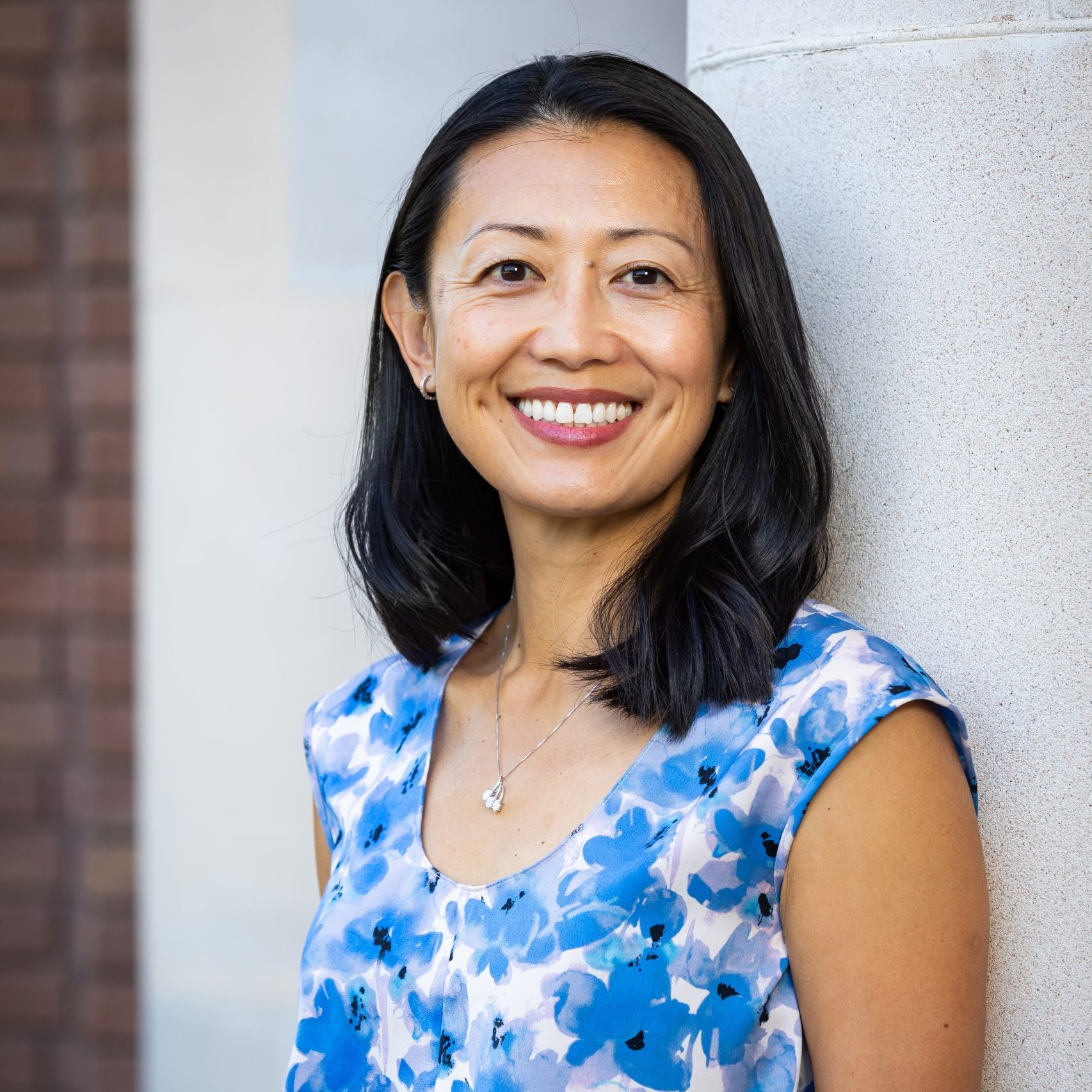
Associate Dean of Academics, College of Agricultural Sciences Professor, Department of Botany and Plant Pathology, Oregon State University
Jia is a product and proud graduate of large public institutions of higher education. She grew up in northern California and attended the University of California Berkeley to pursue her undergraduate degree and then earned her PhD in Ecology & Evolutionary Biology at the University of Colorado, studying the movement of carbon and water through forests. She continued to study forest water-carbon dynamics as a postdoctoral fellow at the National Center for Atmospheric Research before focusing on water use efficiency in agricultural crops at the University of Sydney (Australia). Following her postdoctoral studies, Jia took a faculty position in the Department of Ecology at Montana State University; four years later, she moved to the desert for a subsequent faculty position at the University of Arizona. As a Principal Investigator, she published peer-reviewed papers on a variety of topics from ecohydrology, plant physiological ecology, and terrestrial biogeochemistry. She also developed and taught course including Plant Physiological Ecology, Watershed Hydrology, Natural Resource Management, Sustainable Earth, Climate Change Impacts on Ecosystems, and others. At the University of Arizona, she served as the Associate Director in the School of Natural Resources and the Environment, Assistant Dean for Graduate Education, and Director of the Southwest Climate Adaptation Science Center.
Jia is currently the Associate Dean for Academics in the College of Agricultural Sciences (CAS) at Oregon State University, and Professor in the Department of Botany and Plant Pathology. She leads the Academic Programs Office within CAS and works with faculty, staff, and central administration to deliver educational and experiential learning opportunities for students who attend OSU in person as well through OSU’s award winning Ecampus (online degree programs). She is committed to the mission of OSU’s land grant mission, including making education accessible to all types of students, and conducting research and outreach activities that are engines for social, cultural, and economic growth across the state.
President and CEO, Carnegie Museums of Pittsburgh
Steven Knapp is the President and CEO of the Carnegie Museums of Pittsburgh. Steven Knapp was president emeritus and university professor of English at the George Washington University. A specialist in English Romanticism, literary theory, and the relation of literature to philosophy and religion, Dr. Knapp taught at the University of California, Berkeley before serving as dean of arts and sciences and then provost of the Johns Hopkins University. During his tenure as GW president (2007-2017), his priorities included enhancing the university’s partnerships with neighboring institutions, expanding the scope of its research, strengthening its worldwide community of alumni, enlarging its students’ opportunities for public service, and leading its transformation into a model of urban sustainability. He has served on numerous boards and councils and is a fellow of the American Academy of Arts and Sciences, a member of the Council on Foreign Relations, and a member of the Modern Language Association. In April 2019, he was elected chair of the Board of Directors of the Institute for Ecological Civilization. The author of three books and numerous articles, he earned his bachelor’s degree at Yale University and his master’s and doctoral degrees at Cornell University.
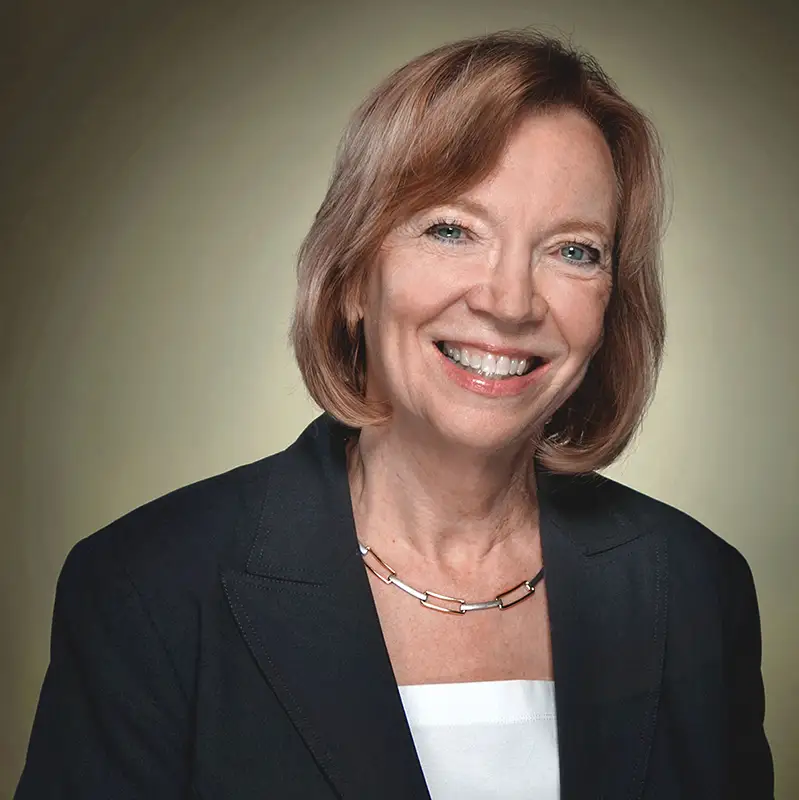
Trustee of Allegheny College
Christine Scott Nelson was Chair of the Board of Trustees of Allegheny College when Allegheny became an early signatory of the American College and University Presidents’ Climate Commitment. She continues to serve as a Trustee of Allegheny. Mrs. Nelson also serves as Chair of the Board of De Novo, a legal services and counseling center.
Mrs. Nelson was a founder and Managing Director of Cornerstone Research until her retirement in 2012. She continues to serve on its Board of Directors. Cornerstone is an 800-person consulting firm that provides expert testimony and economic and financial analysis to attorneys in all phases of commercial litigation and regulatory proceedings.
Mrs. Nelson received a BA from Allegheny College, an MA from Boston University, and an SM from MIT’s Sloan School of Management. Mrs. Nelson and her husband, an angel investor in clean energy start-ups, reside in Cambridge, Massachusetts, and are the parents of two adult sons.
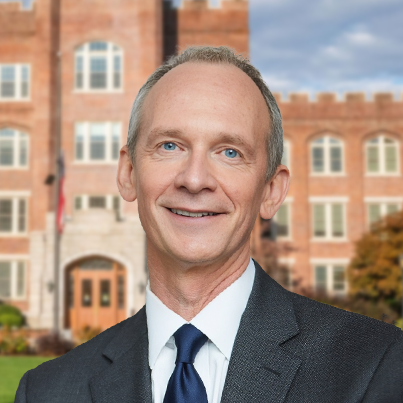
President, Catawba College
The Catawba College Board of Trustees elected Dr. David P. Nelson as its 24th President on March 11, 2020. During his tenure, Catawba has reclaimed the College’s long-standing Ideal of scholarship with character and culture for service.
During Dr. Nelson’s tenure, Catawba’s enrollment has increased over 30%, with notable growth in the natural sciences, environmental sciences, and the performing arts. Catawba’s 24 athletic teams have risen in the NCAA DII Learfield Cup ranking from top 200 to top 25. The College has reinvigorated the work of its signature centers, the Lilly Center for Vocation and Values, the Center for the Environment, and launched a third, the Center for North Carolina Politics and Public Service.
Catawba College achieved carbon neutrality in 2023, the first college in the Southeast to do so, and the thirteenth nationally to becertified as carbon neutral by Second Nature. The college has also been recognized by the Association for the Advancement of Sustainability in Higher Education (AASHE) with a Gold STARS rating.
An historic revitalization of the campus is underway, with $150 million of improvements fully funded, requiring no debt. Among those revitalization projects are an exponential expansion of Catawba’s geoexchange system which will provide efficient, clean energy to heat and cool 90% of the campus, a new residence hall built to Passive House standards, and a renovation of the college’s old coal-burning smokestack building into a student experience space that will meet Living Building Challenge standards. Additionally, major renovations to the college’s two largest residence halls include improvements designed to meet WELL certification.
Catawba College has joined forces with Appalachian State University’s award-winning Team Sunergy to build and race solar cars. In 2025, the college launched CatawbaGO, an all-EV ride share service linking the campus with the Salisbury community.
Catawba’s annual revenues have increased by nearly 100%, all its debts have been eliminated, and the College’s endowment has grown from $66 million to more than $650 million.
A first-generation college student, Dr. Nelson holds graduate degrees in theology and music and throughout his administrative career as a dean, provost, and president, he has remained active in the classroom, teaching courses in religious studies, philosophy, and music.
Dr. Nelson is married to Kimberly Nelson, and his three children and four grandchildren reside in North Carolina and Texas.
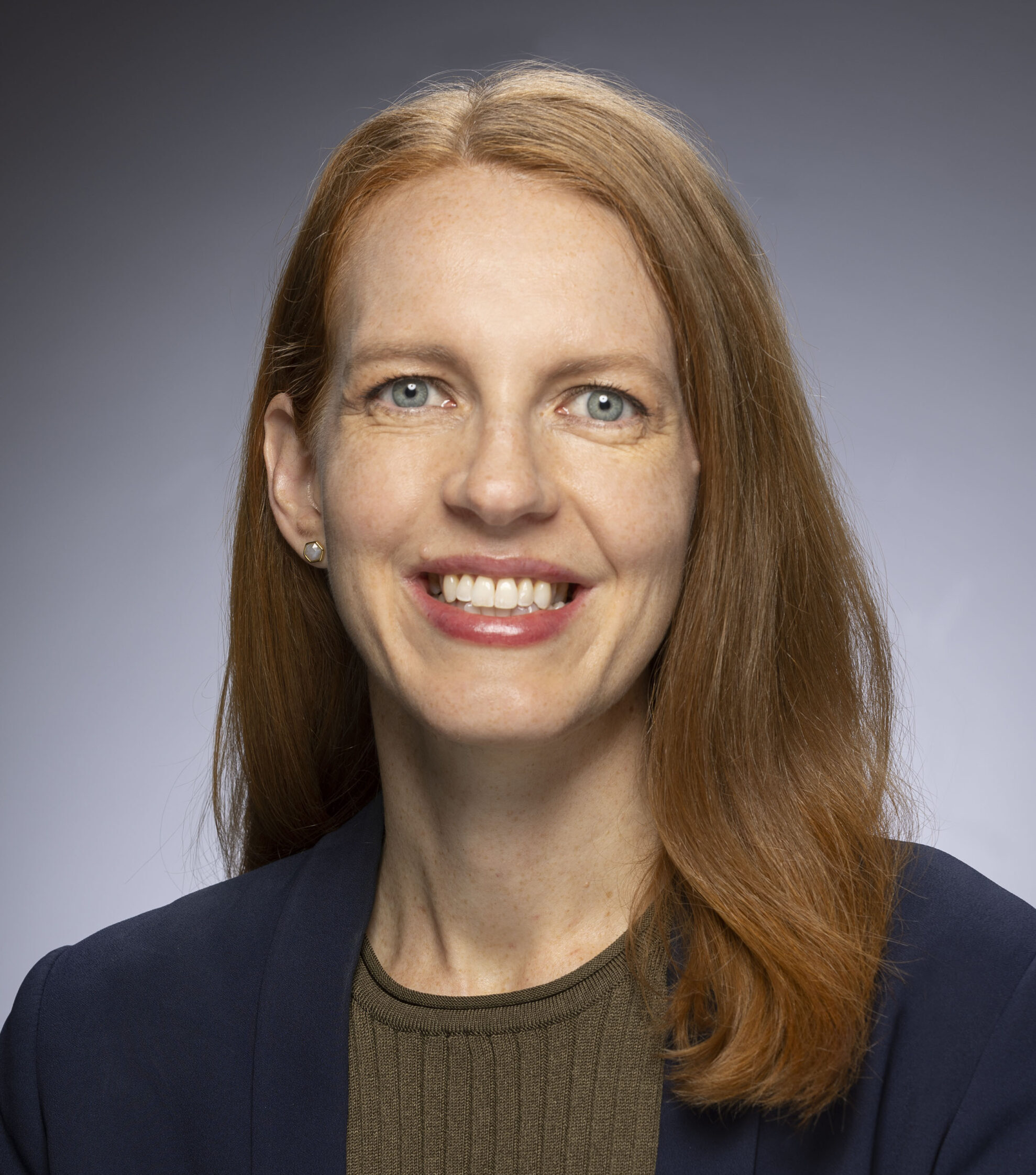
Strategy Director for Innovation and Discovery at Lumina Foundation
Terri Taylor is strategy director for innovation and discovery at Lumina Foundation, an independent, private foundation in Indianapolis that is committed to making opportunities for learning beyond high school available to all. Working from Lumina’s office in Washington, D.C., Taylor leads the foundation’s efforts to develop new strategies to respond to the increasingly common question, education for what? This involves exploring new topic areas, building new relationships, and promoting systemic approaches to prepare people for human work in an increasingly complex, technology-mediated society. She also serves on the team dedicated to increasing bachelor’s degree attainment at four-year institutions. In her prior role at Lumina, Taylor led the foundation’s postsecondary finance work, including state-level efforts to support adult learner enrolment and success, exploration of challenges and opportunities for borrowers of colour, and innovative approaches to postsecondary finance.
Before coming to Lumina, Terri worked at EducationCounsel, where she advised organizations, institutions, and foundations and wrote on equity, quality, and attainment. She earned a bachelor’s degree, with distinction, in American studies and religious studies from the University of Virginia and a law degree from Georgetown University Law Center. She started her career in education as a Peace Corps volunteer, teaching English as a second language in Kyrgyzstan. She now lives in Paris with her husband and young son.

Stay Connected to Climate Action
Sign up for the Implementer, Second Nature’s monthly newsletter, for updates, network news, resources, and opportunities to engage in climate action across higher education.