Get the latest on climate action:
On this page
The Summit took place in Chicago this past March. It reminded us that climate action is strongest when it’s collective, from student voices inspiring change to institutional leaders reimagining solutions, and from Indigenous wisdom to innovative community engagement. This year marked 20 years of climate leadership in higher education, and the energy was undeniable. Leaders reaffirmed that no institution can do this work alone, and through Unify for Climate, we’re entering a new chapter of alignment, ambition, and impact for the sector.
As a result of new technologies, financial pressures, growing student activism, and shifts in federal and state climate policies, campus climate and sustainability efforts continue to evolve. Join Second Nature and the American Council on Education (ACE) in a new series of webinars—Charting Opportunities and Challenges in Higher Education’s Climate Action Journey—tailored to help campus leaders, sustainability staff, and climate advocates anticipate challenges and identify opportunities to lead in this rapidly shifting policy landscape. Featuring higher education and climate experts, the conversation will explore how higher education can continue to lead on climate action by advancing clean energy, equity, and innovation while preparing students for a changing world.
The Carnegie Elective Classification for Sustainability recognizes institutions that integrate sustainability and climate action into their academic missions. The framework supports institutions in assessing and strengthening sustainability efforts across curriculum, research, campus operations, and community engagement, while encouraging institutions to connect these efforts to broader societal and environmental challenges. This session will spotlight pilot institutions that are leading this work and provide examples of how institutions can implement climate action.
Additionally, this webinar will provide insight into the opportunities, challenges, and transformative potential of participating in the Sustainability Elective Classification. Our panelists will give a clear overview of the current application cycle, including the process, timeline, and what to expect from the institutional self-study and review process.
This webinar is meant to be a comprehensive review of the Carnegie Elective Classification for Sustainability and how various universities are leading in order to achieve this distinction. Additional panelists may join to ensure this.


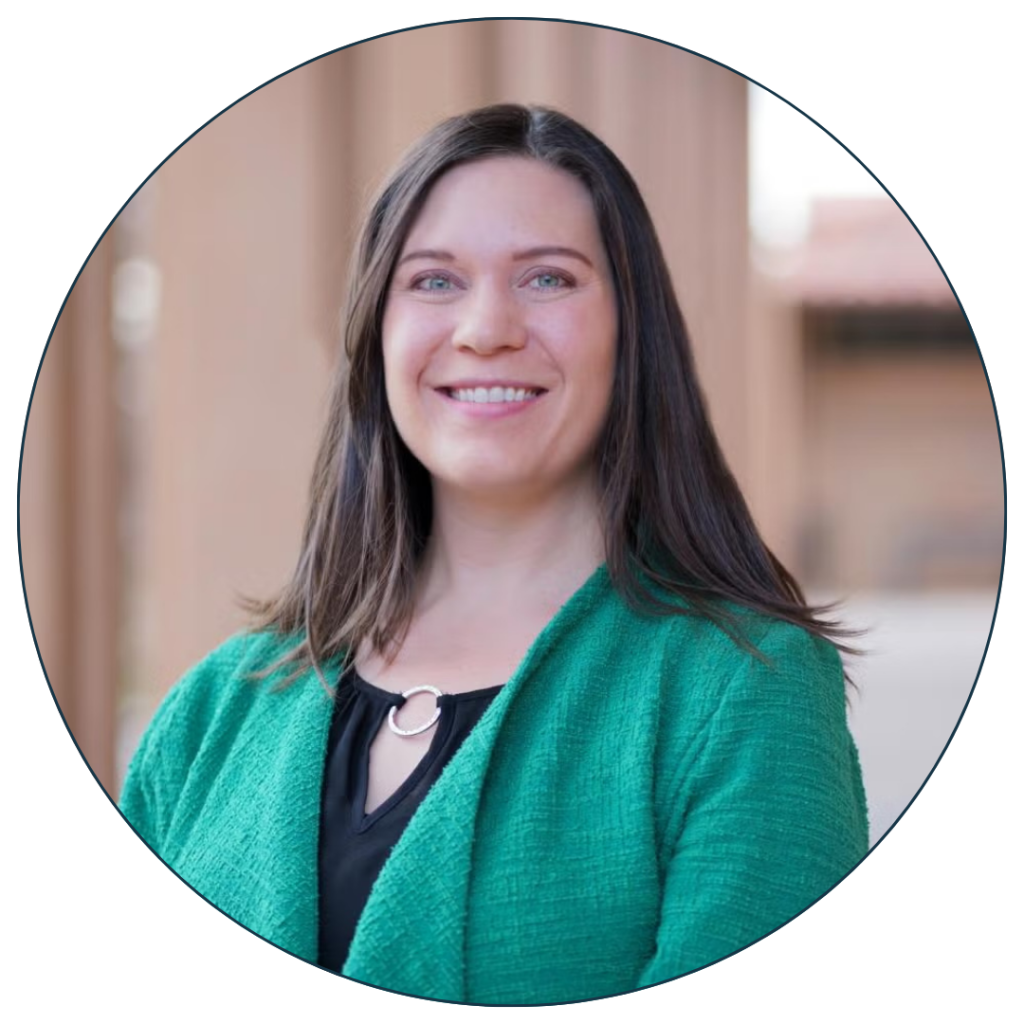



Anne Carrington Hayes
Executive Director of Global and Interdisciplinary Studies,
Bennett College
Trevor Ledbetter
Senior Director of the Office of Sustainability,
The University of Arizona
Amy Halvorson
Director for Sustainability,
University of Colorado Boulder
Lauren Greenberg
Sustainability Coordinator and Professor,
Mt. San Antonio College
Lorena Franco
Director, Center for Professional and International Experiences,
Universidad del Sagrado Corazón
Marisol Morales
Executive Director, Carnegie Elective Classifications
Sustainability has undergone major policy realignments over the past year, with a huge shift at the federal level from the Biden administration’s support to the Trump administration’s hostility to sustainability policies. This stage-setting webinar explored emerging trends, shared institutional perspectives, and laid the groundwork for the conversations to come.
Speakers:
This session reviewed and discussed Second Nature’s Higher Education Clean Energy Projects Map. This new map resource showcases the breadth of clean energy projects since 2021 that could have qualified for or used the Direct (Elective) Pay provision in the Inflation Reduction Act (IRA) and the lessons learned along the way. The webinar also highlighted geothermal installations as a case study for scaling clean energy solutions, exploring how institutions navigated technical, financial, and policy challenges.
Speakers:
January 29, 2026 | 2:00–3:00 p.m. ET
Colleges and universities are leading efforts to prepare the next generation of climate and clean energy workers across the continuum from apprenticeships to degree programs. This session will highlight workforce development models, funding opportunities, partnerships with industry and labor, and innovative approaches to equipping students with the skills needed to power this critical sector.
Speakers:
Second Nature hosts numerous webinars on a wide range of topics related to climate action in the higher education sector. Our webinars provide the information and resources that educate and connect our audiences with the tools they need to accelerate their work to create effective climate solutions both on campus and in their communities. If you would like to receive information on any of our upcoming webinars and other news about climate action in higher education, please subscribe to the Implementer, our monthly e-newsletter.
For any questions, please contact us at [email protected].
Webinars in a Series: Check the calendar below for details and links to register

Stay Connected to Climate Action
Sign up for the Implementer, Second Nature’s monthly newsletter, for updates, network news, resources, and opportunities to engage in climate action across higher education.