
Over 380 higher education professionals gathered in Washington, D.C., February 2-4, 2025, for Second Nature’s annual Higher Education Climate Leadership Summit.
The event, which took place a few blocks from the White House, provided a welcome contrast to the barrage of presidential executive orders that have deprioritized clean energy solutions and proposed to slash federal funding for key climate programs, such as those in the Inflation Reduction Act (IRA) which provided critical support for the higher educations sector’s efforts to accelerate impactful climate action.
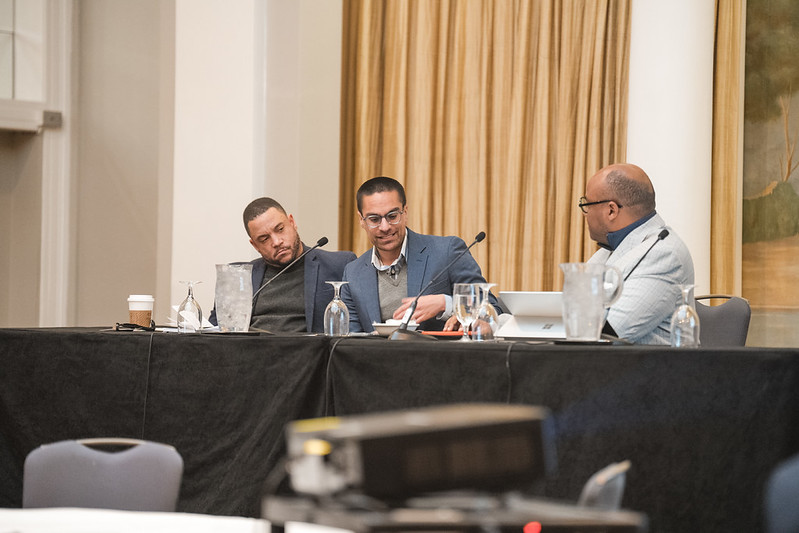
The 2025 Summit created a much-needed and timely space to garner the sector’s collective and complementary strengths, resources, and expertise, celebrate examples of impactful and equitable climate action, and challenge our sector to practice rigorous honesty to address the challenges that will continue to unfold in the months and years ahead.
As part of the effort to celebrate impactful climate action across the sector, Second Nature’s inaugural Climate Luminary Honors recognized six member institutions for their exemplary climate action efforts across five distinct categories: decarbonization, justice, community, workforce, and research, along with special recognition for Climate Resiliency in Action. The honorees include Carleton College, Emory University, University of Pittsburgh, Central Community College, University of Toronto, and Warren Wilson College, all demonstrating higher education’s essential role in driving sustainability, equity, and resilience.

While federal rollbacks of climate programs and the overarching current political space were topics of discussion during the 2025 Summit, the prevailing “climate” of the Summit was a call to action for changemakers in the higher education sector.
The programming, plenaries, and peer-to-peer discussions surfaced the urgent need for aggressively expanding the very definition of climate action, calling the sector to engage in subnational advocacy to defend and protect the work already accomplished and continue what remains to be done to create clean-energy solutions to safeguard our planet and our communities (especially those disproportionately impacted by climate change and toxic pollution).
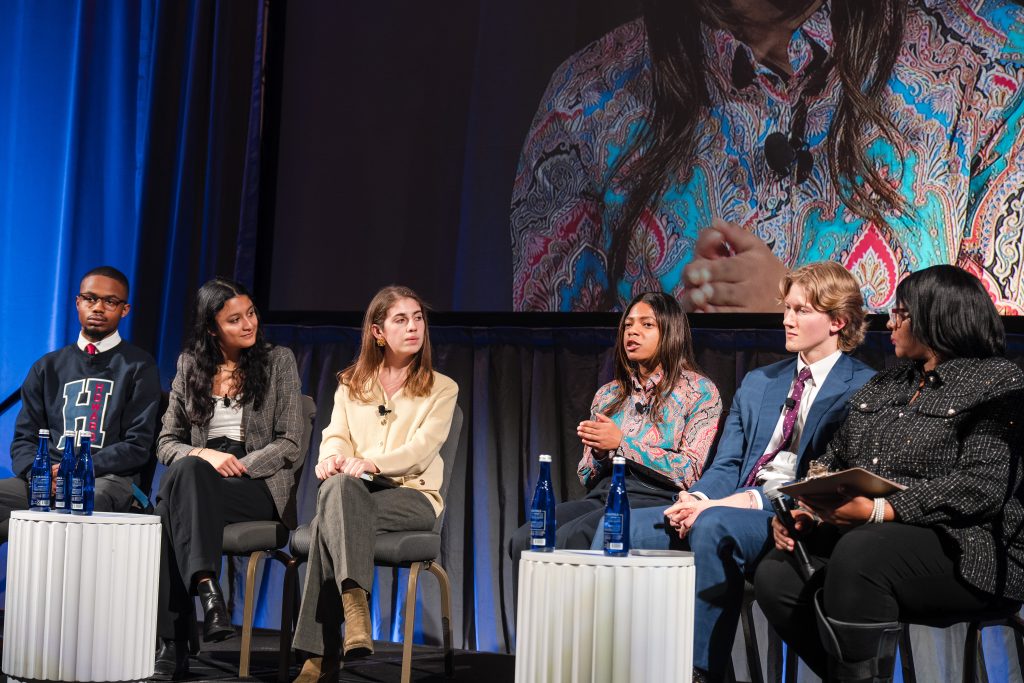
This call to action was clearly and passionately articulated by the speakers in the opening plenary, a panel of committed student climate activist leaders in the closing plenary, and throughout the Summit.
Learn more about the 2025 Higher Education Climate Leadership Summit and Second Nature:
- View the complete Summit agenda with over 70 sessions and over 150 speakers
- Meet awardees of our inaugural Climate Luminary Honors initiative
- Learn more about becoming a member of our Climate Leadership Network
- Sign up for our monthly newsletters to get the latest climate action and policy updates
- Read coverage of the Summit in The Hechinger Report