Get the latest on climate action:
Would you like to make your voice heard in the next generation of higher-education climate response? Are you thinking of incorporating more climate into your research or teaching, and you’d love to support others to do the same? Or maybe you’re already in a climate-leadership position, and you’d like to work with like-minded colleagues for even greater impact.
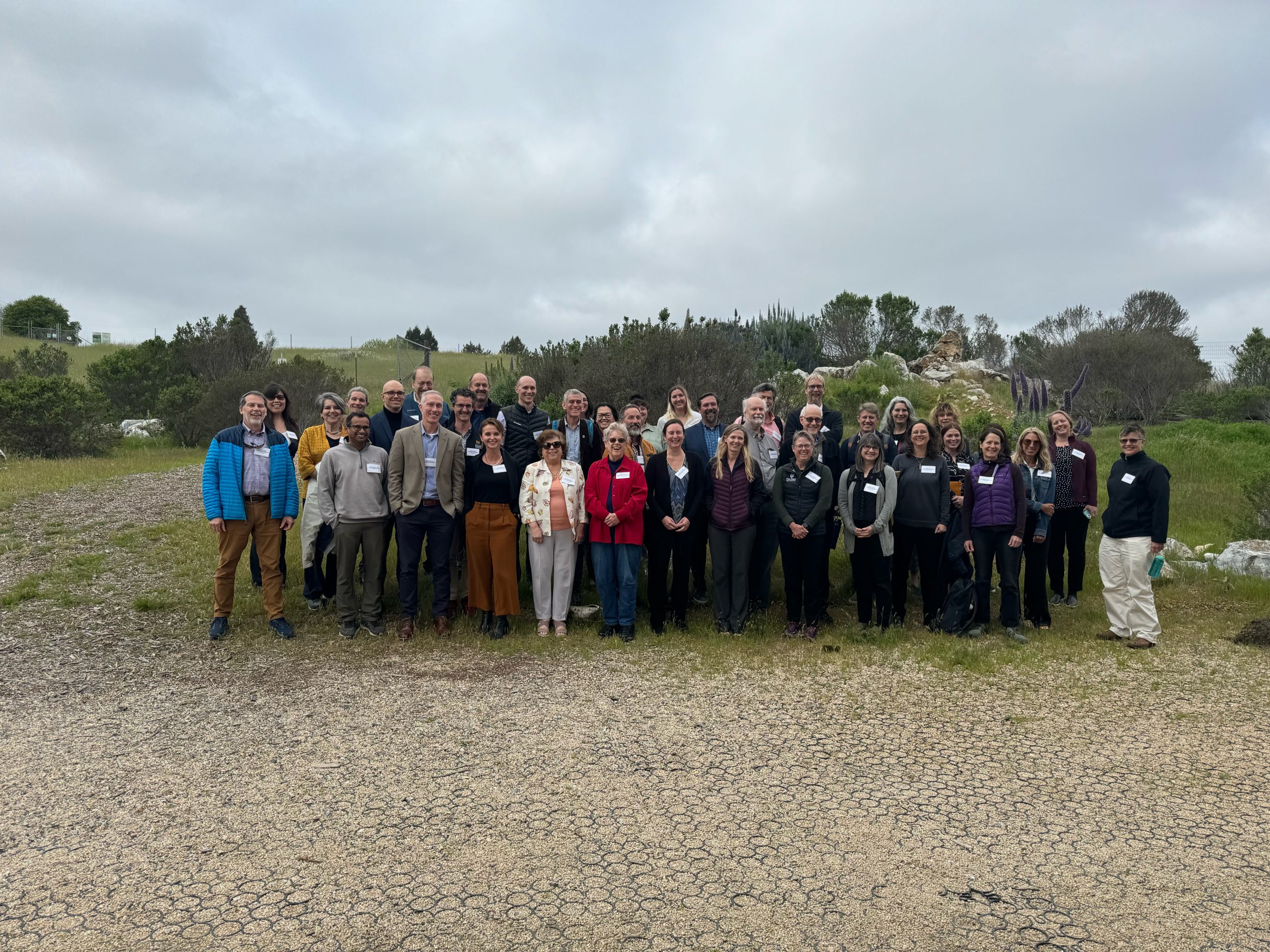
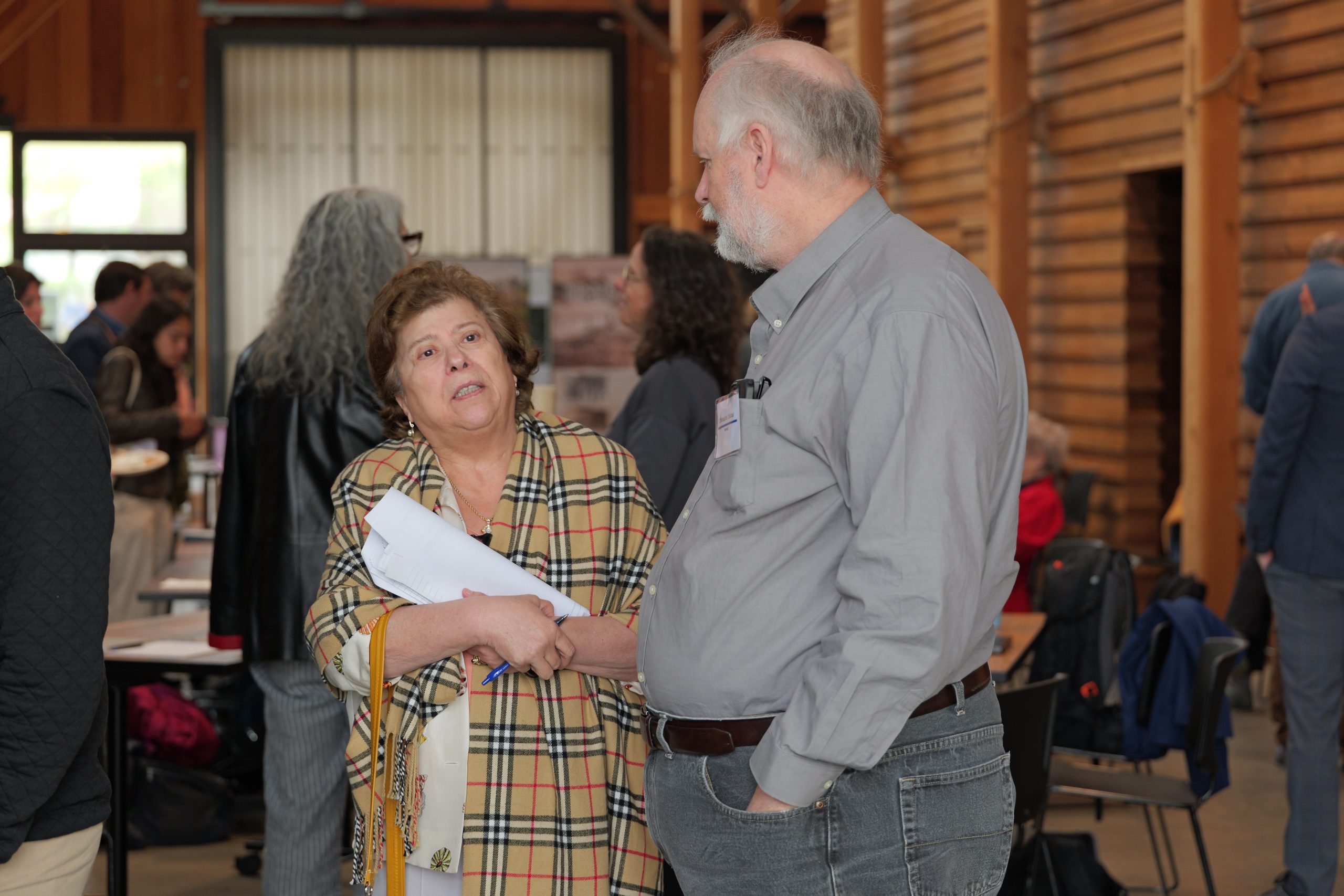
We’re a collection of concerned faculty and staff from higher education institutions. After two workshops and a year of discussion, consensus-building, and debate, we’ve generated dozens of recommendations for higher-education’s climate response. But transforming multi-million dollar institutions takes hard work, persistence, and mutual support among concerned actors. We hope you’ll consider joining.
Academics for Climate Action will meet bi-monthly starting in September 2026 to discuss opportunities and challenges for higher-ed institutions’ and campus-community members’ impactful climate responses. Please complete this interest form to register as a general member.
At present we are forming the steering committee for this working group.
The steering committee will include both appointed individuals and others selected from those who apply, with a minimum service of one year and a maximum of four years. The committee will meet monthly for one hour starting in April 2026. Including out-of-meeting work, the total time commitment is four hours per month. The deadline to apply for the steering committee is April 1st 2026.
The role of the steering committee is to organize:
A community of practice with bimonthly calls, including presentations and general-interest discussions on topics related to climate and climate action.
The directions of subcommittees (see below)
One in-person meeting a year
Chaired by an ad-hoc member of the steering committee, each subcommittee will be a small, committed group of ten people or fewer, working on a specific, focused goal. Members must apply to serve and are expected to be active. The time commitment is four hours per month, including two hours of online meetings, plus emails and other organizing. Each subcommittee is expected to deliver a five-page report at the end of the year and to present to the membership at large. Each September, the working group will reevaluate the number of subcommittees, their membership, and their charges.
Initial subcommittees include:
Leadership
Climate Teaching
Climate Teaching in California
We’ve seen good intentions and transformational ideas come to nothing when faced with the inertia of real-world obstacles. We’ve formed this working group to support each other in taking concrete steps to help mold the next generation of higher-education climate response. We hope you’ll consider joining us.
Climate change is touching everyone, everywhere, changing how we live, work, and learn. Higher Education must act now.
Universities have responded to the climate crisis, but is it enough and how can we do more? How do we craft a coherent, targeted strategy that improves the way we interact with our planet? What role should universities play in that process?
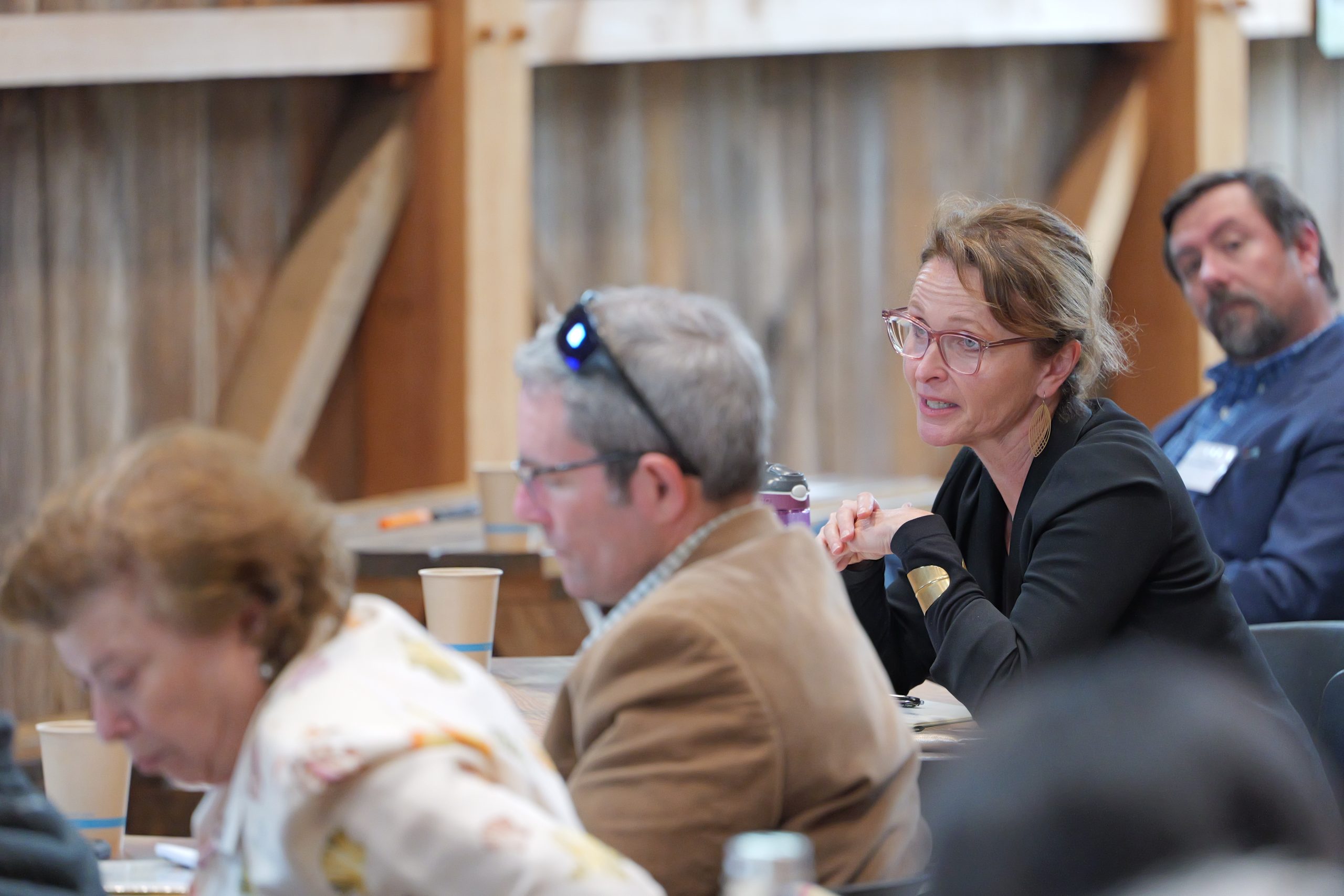
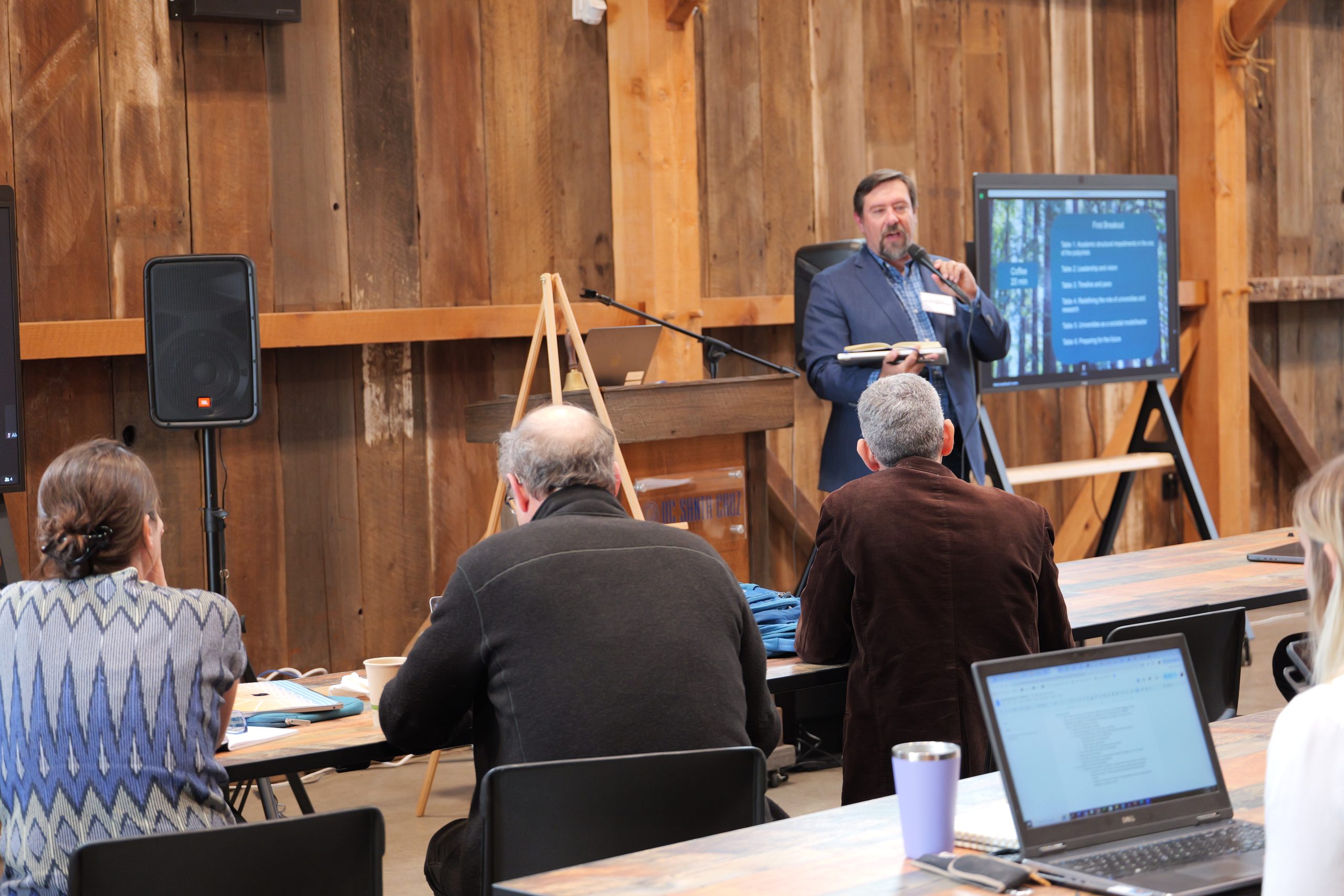
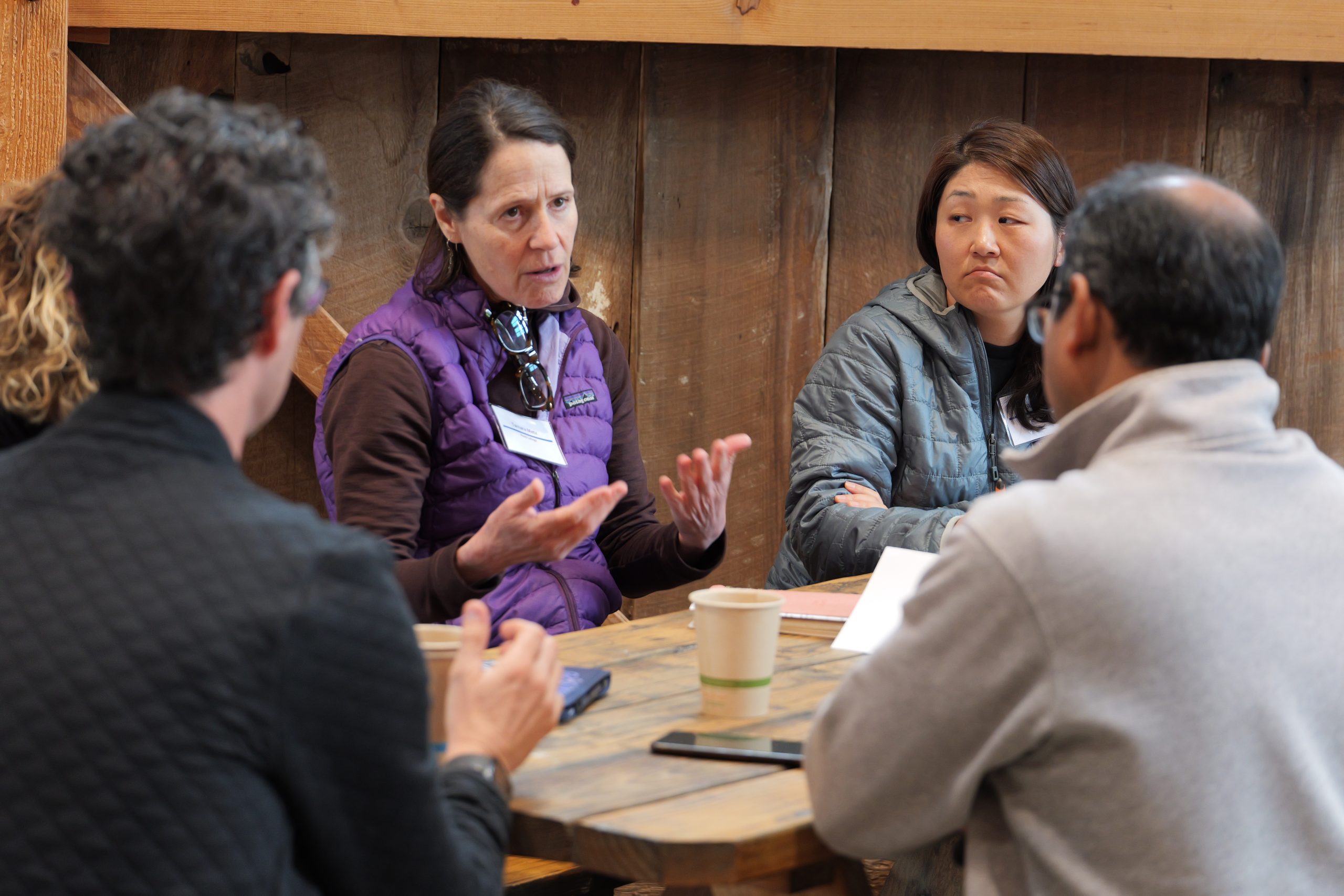
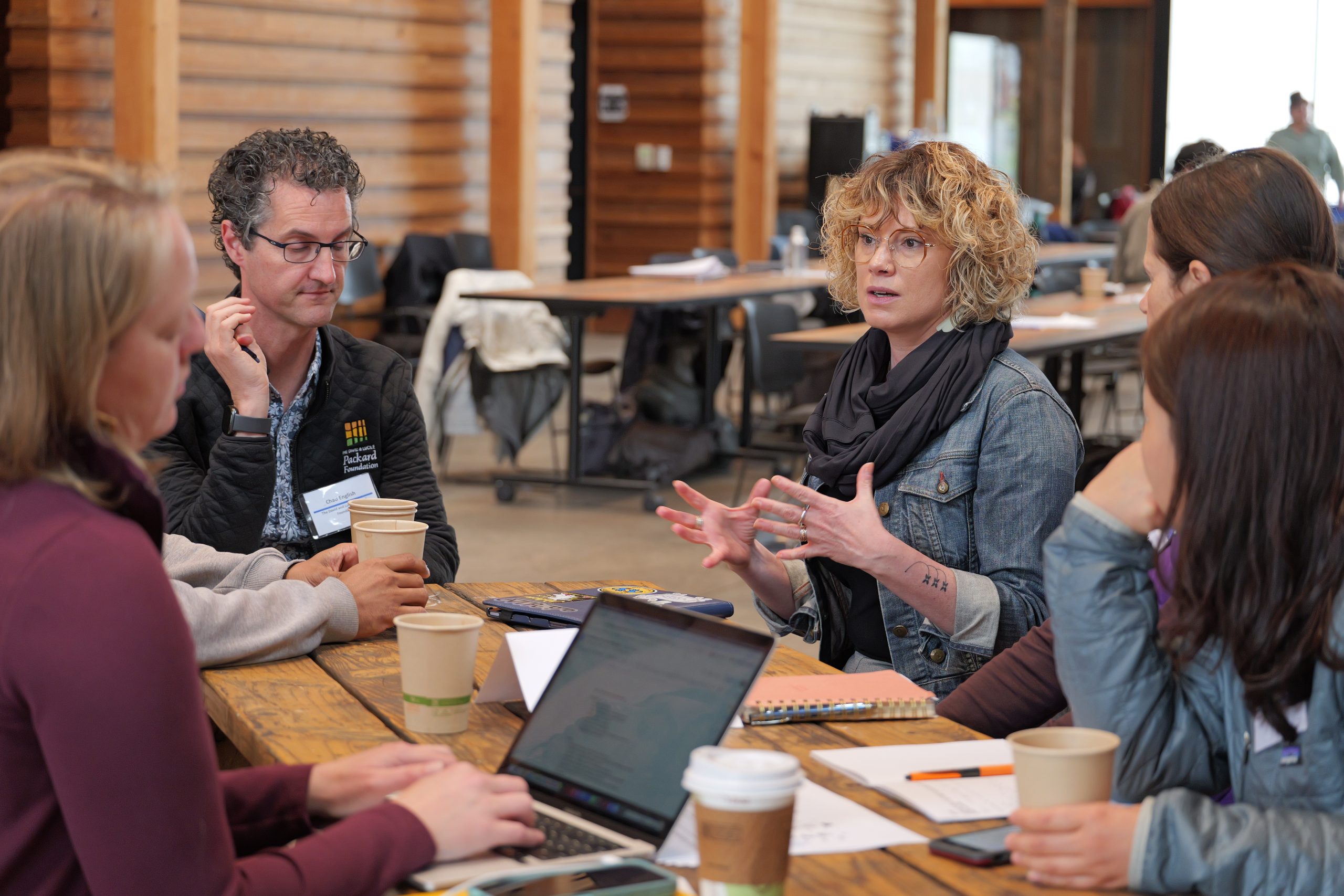
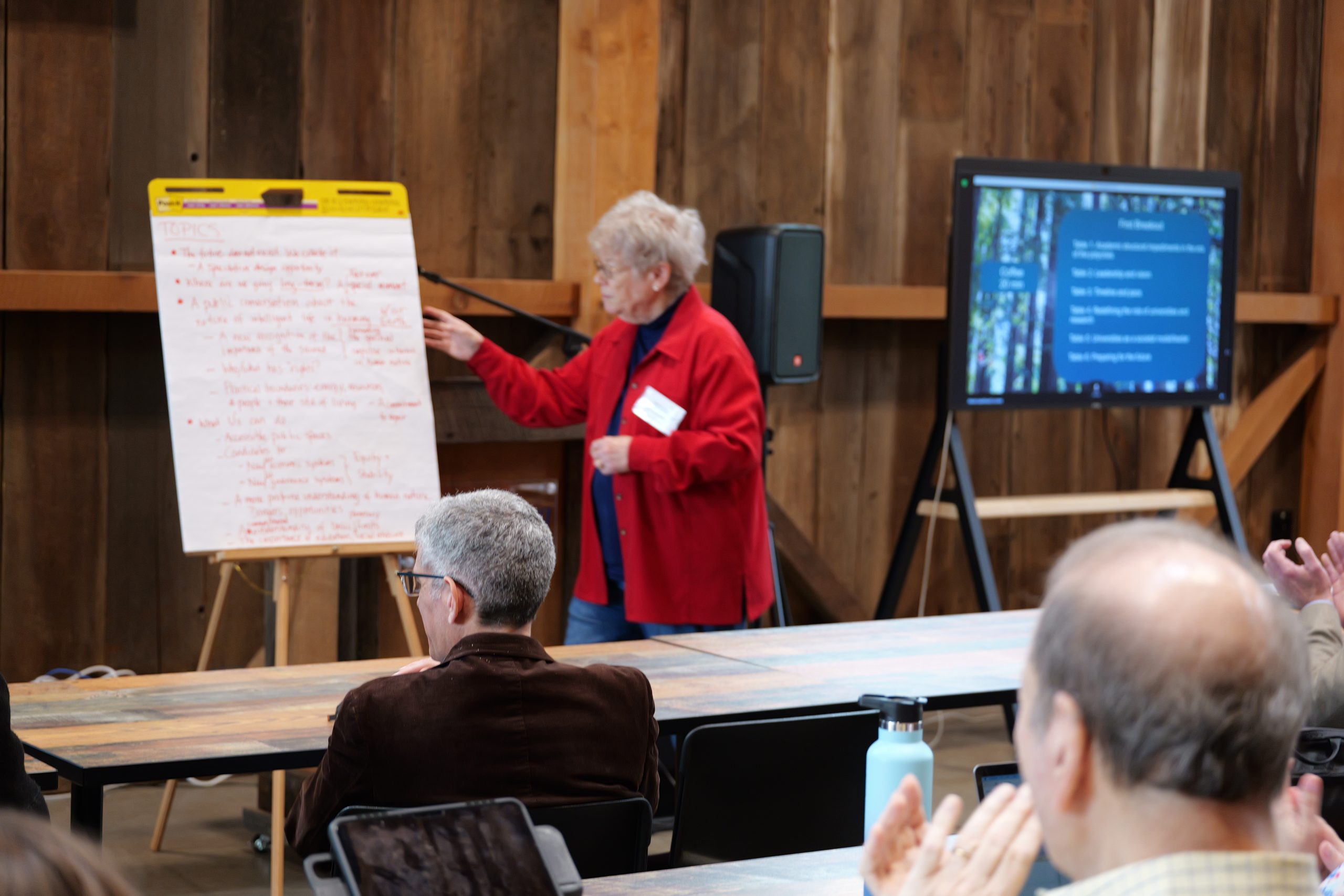
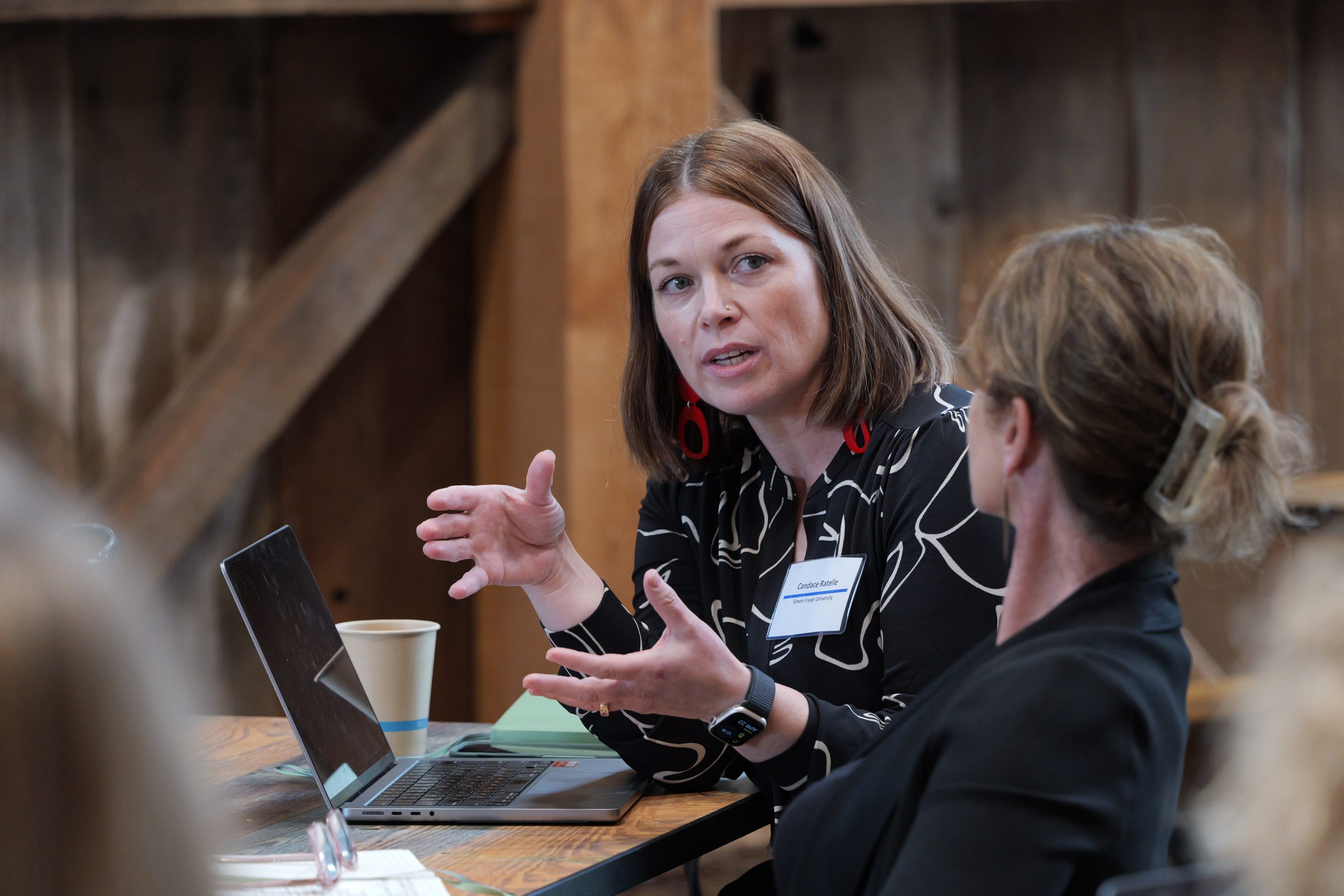
At two workshops, 50 American and Canadian academic leaders debated what works and what doesn’t. And we didn’t always agree. Climate education, decarbonization strategies, and the role of academic activism all provoked sharp debate. “Climate Action In Higher Education: A Roadmap” presents real talk about diverging perspectives, where we disagreed and how we came together.
The Roadmap discusses dozens of effective responses, linking to inspiring real-world examples. But it also highlights areas where more is needed, with suggestions for more strategy, more leadership, and more effective communication and coordination. Students, faculty, staff, and administrators can find practical recommendations and talking points to advocate for change at their home institutions.
Read the full “Climate Action Roadmap” for a complete list of recommendations, examples, and references.
Read the shorter “Summary For Decision-Makers” for key recommendations and highlights.

Stay Connected to Climate Action
Sign up for the Implementer, Second Nature’s monthly newsletter, for updates, network news, resources, and opportunities to engage in climate action across higher education.